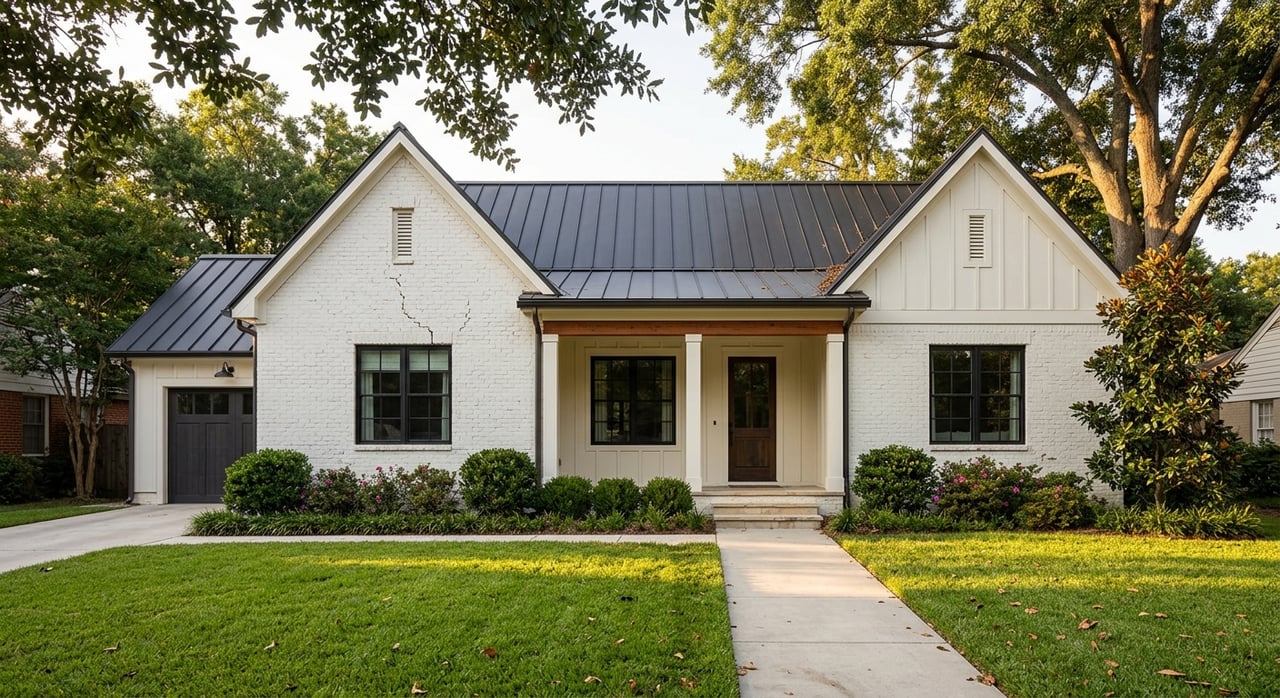
If you are house hunting in Kilgore, one question can shape your whole search: do you want the character of an older neighborhood or the consistency of a newer subdivision? That choice is not always simple, especially in a city that offers both historic residential areas near downtown and active new development. When you understand how each option fits your daily routine, maintenance comfort level, and long-term goals, it becomes much easier to narrow the field. Let’s dive in.
Why this choice matters in Kilgore
Kilgore is not a one-note housing market. The city sits along Interstate 20 about 120 miles east of Dallas, and its 2021 comprehensive plan is meant to guide land use, downtown, transportation, and housing over the next 10 to 20 years. That means you are shopping in a market that is still evolving, not one where every neighborhood pattern is already set in stone.
For buyers, that creates a real side-by-side comparison. You can look at established areas with older homes and varied lot patterns, or you can focus on newer subdivisions tied to the city’s current growth strategy. Neither path is automatically better. The right fit depends on what matters most to you.
What established Kilgore neighborhoods offer
Older residential areas in Kilgore are closely tied to the city’s history. Survey work in Gregg County shows that much of the older housing stock developed near downtown and the railroad tracks, including areas such as Industrial Heights, Crimwood, Meadowbrook east of Henderson Boulevard, and blocks east of downtown. Many homes in these areas date to the 1930s, 1940s, and 1950s.
That age and history often show up in the streetscape. You may see Minimal Traditional homes, ranch-style homes, and other mid-century designs that give these areas a more established feel. For buyers who want architecture with personality, this can be a major draw.
It is also important to know that established neighborhoods in Kilgore are not all the same. The local survey describes Industrial Heights as having smaller lots and very economical homes, Kilgore Heights as a mix of residential and commercial lots of different sizes, Crimwood as affordable but high-quality housing, and Meadowbrook as a restricted residential section that was marketed as being outside the oil derricks. In practical terms, that means your experience can change from one block to the next.
Benefits of established neighborhoods
Established neighborhoods often appeal to buyers who value location and character over uniformity. In Kilgore, many of these areas sit closer to downtown, historic assets, and Kilgore College. If you want quicker access to the city’s cultural core, older neighborhoods may deserve a closer look.
The Kilgore Cultural District combines historic downtown and Kilgore College, with museums, boutique shopping, historic landmarks, a park, performance venues, and restaurants located within about a mile of each other. That kind of convenience can shape your routine in a positive way. You may spend less time driving and more time enjoying what is nearby.
Tradeoffs to expect in older homes
With older homes, charm often comes with decisions. Because many established homes were built decades ago, buyers are more likely to face updates, repairs, or ongoing maintenance questions than they would with more recent construction. That does not make an older home a poor choice, but it does mean you should go in with clear expectations.
Kilgore’s historic survey also notes that some older parts of town have changed substantially since the oil-boom era. That makes block-by-block review especially important. One street may feel well preserved, while another may look very different in layout, condition, or surrounding uses.
What newer subdivisions offer in Kilgore
If you prefer more recent construction and a more predictable neighborhood layout, newer subdivisions may feel like a better match. Kilgore’s housing pipeline is still active, which matters because it shows newer housing is part of the city’s current growth, not just leftover inventory from past building cycles.
City planning materials show activity in Remington North, including plat review and plans that would convert remaining multifamily lots into single-family residential lots. A 2025 city update also said the Community Development Corporation had sold additional lots and was preparing Phase 4. That points to continued single-family growth inside the city limits.
Benefits of newer neighborhoods
Newer subdivisions usually appeal to buyers who want a more standardized residential setting. In Remington North, the city said an updated plat would create smaller lots suitable for additional single-family homes. Compared with older additions that often have varied lot sizes and mixed patterns, that suggests a more contemporary subdivision feel.
For some buyers, that consistency is a plus. Newer homes can offer a layout and lot pattern that feel easier to compare from one property to the next. If you want a simpler search process and fewer unknowns tied to age, newer construction may be worth prioritizing.
Tradeoffs to think through
The biggest tradeoff is often location feel. While newer neighborhoods may offer a more current layout, they may not provide the same immediate connection to Kilgore’s older downtown core, historic areas, and long-established streets. If your lifestyle depends on being close to those places, that difference can matter more than the age of the home itself.
Newer subdivisions can also feel more uniform. Some buyers appreciate that consistency, while others prefer the variety of mature streets with mixed home styles and lot shapes. This is one of those decisions that comes down to personal preference more than a simple checklist.
Compare character and consistency
A helpful way to think about this choice is character versus consistency. Established neighborhoods in Kilgore tend to offer older architecture, mixed lot patterns, and closer-in access to downtown and cultural amenities. Newer subdivisions tend to offer more recent construction, more standardized lot patterns, and a neighborhood feel shaped by current city growth.
Neither side wins for everyone. The best choice is the one that fits how you want to live day to day. If you know what tradeoffs matter most to you, your home search becomes more focused and less stressful.
Think about your daily routine
A home is not just a structure. It is also your commute, your weekend plans, your errands, and how you spend your free time. In Kilgore, those daily patterns can help you decide whether an established or newer neighborhood fits better.
If you want to be closer to cultural attractions, older areas near downtown may feel more convenient. If you are drawn to a more recently developed setting with a newer neighborhood pattern, a newer subdivision may make more sense. The right answer often shows up when you picture a normal Tuesday, not just an open house on Saturday.
Parks and recreation can influence the choice
Kilgore offers several recreation options that can factor into your search. Meadowbrook Park spans 26.5 acres and includes multi-sport fields, a basketball court, sand volleyball, a walking trail with exercise stations, and a playground. MLK Jr. Park includes a walking trail, playground, basketball court, baseball and softball field, restrooms, and a rentable community building.
City Park includes Lazy Splash Ranch, and the Whataburger Sports Complex adds another major sports amenity on the south side of town. Depending on where you want to spend time outdoors, park access may tip the scale between one part of town and another. This is another reason to evaluate neighborhoods based on your real habits, not just listing photos.
School-zone convenience matters too
Kilgore ISD serves more than 4,000 students across five campuses and covers 106 square miles in Gregg and Rusk counties. For many buyers, that means school-zone convenience and drive times are practical parts of the neighborhood decision. Even if the house checks every box, the location still has to work with your schedule.
Questions to ask before you choose
Before you decide between an older neighborhood and a newer subdivision in Kilgore, it helps to ask yourself a few honest questions:
- Do you want architectural character, or do you prefer a more uniform neighborhood feel?
- Are you comfortable taking on updates and maintenance that may come with an older home?
- How important is quick access to downtown, Kilgore College, and the Cultural District?
- Would a newer layout and more recent construction make your search feel easier?
- How much do parks, recreation spaces, and commute patterns shape your daily routine?
- Do you need to compare neighborhoods block by block, especially in older parts of town?
These questions can bring clarity fast. Often, buyers already know the answer once they stop thinking in broad terms and start thinking about lifestyle fit.
The best Kilgore neighborhood is the one that fits you
Kilgore gives you a meaningful choice. You are not limited to one housing style or one type of neighborhood experience. The city has historically significant residential areas near downtown and an active pipeline of new residential development, which gives buyers the chance to choose between established character and newer consistency.
That is good news if you are searching thoughtfully. Instead of forcing yourself into a one-size-fits-all idea of the perfect home, you can focus on the neighborhood setting that supports your goals now and in the years ahead. When you match the home to your routine, priorities, and comfort level, you are far more likely to feel confident in your decision.
If you want help comparing neighborhoods in Kilgore and narrowing down the right fit for your next move, Brittany Sartain is here to offer local guidance and a personalized, high-touch approach from search to closing.
FAQs
What is the difference between newer and established neighborhoods in Kilgore?
- Established neighborhoods in Kilgore often have older homes, mixed lot sizes, and closer access to downtown and cultural amenities, while newer subdivisions typically offer more recent construction and more standardized residential layouts.
Are older neighborhoods in Kilgore all the same?
- No. Local survey work shows that older areas such as Industrial Heights, Crimwood, Kilgore Heights, and Meadowbrook have different lot patterns, housing styles, and development histories, so block-by-block review is important.
What newer residential development is happening in Kilgore?
- City planning materials show active development activity in Remington North, including plat review and preparation for additional phases, which indicates ongoing single-family growth within the city.
Is living near downtown Kilgore a benefit for homebuyers?
- For many buyers, yes. Established neighborhoods closer to downtown may offer easier access to the Kilgore Cultural District, which includes museums, shopping, landmarks, a park, performance venues, and restaurants within about a mile.
How do parks and recreation affect neighborhood choice in Kilgore?
- Parks such as Meadowbrook Park, MLK Jr. Park, City Park, and the Whataburger Sports Complex can shape convenience and daily lifestyle, so it helps to compare neighborhoods based on where you expect to spend time outdoors.
How can you decide which Kilgore neighborhood fits your lifestyle?
- A strong starting point is to compare your priorities, including home style, maintenance comfort, commute needs, access to downtown, and preference for either character or consistency in the neighborhood setting.