If you’re getting ready to sell in Tyler, one big question can shape everything that comes next: should you renovate before listing, or sell the home as-is? It’s a smart question, especially in a market where buyers are paying attention to price, condition, and value. The good news is that you do not have to guess. With the right local strategy, you can focus on the updates that matter most, avoid overspending, and make a decision that supports your bottom line. Let’s dive in.
Tyler sellers need a practical plan
In Tyler, this is not a rush-to-buy market where almost any home flies off the shelf. Realtor.com’s June 2026 Tyler summary shows about 1,600 active listings, a median 58 days on market, and homes selling for about 99% of asking price. The Texas Real Estate Center’s Q1 2026 Tyler MSA report also shows 4.8 months of supply, 81 days on market, and a 2.8% year-over-year price decline.
That combination points to a more balanced and price-sensitive market. Buyers still respond to homes that show well, but that does not mean every renovation will pay you back. In many cases, the best move is not a full remodel. It is a focused plan based on your home’s condition, your price range, and what buyers in Tyler are likely to expect.
Why neighborhood price range matters
Before you spend money, it helps to look at where your home fits in the local price mix. In the Tyler MSA, about 67.6% of Q1 2026 home sales were below $300,000. That included 32.3% in the $100,000 to $199,999 range and 29.9% in the $200,000 to $299,999 range.
What does that mean for you? In many Tyler neighborhoods, there may be a limit to how much buyers will pay, even if your kitchen or bathroom is beautifully redone. If your updates push your asking price above what similar homes usually bring, your return may be limited.
Renovate before selling: when it makes sense
Renovating can make sense when your home has visible wear that may turn buyers off right away. If the house feels dated, neglected, or harder to finance because of condition issues, selected updates may help your home show better and attract stronger offers.
The key word is selected. In today’s Tyler market, the safer pre-listing investments are often smaller projects that improve appearance and reduce buyer hesitation.
Cosmetic updates often bring the best value
According to the 2025 NAR Remodeling Impact Report, Realtors most often recommend these pre-listing projects:
- Painting the entire home
- Painting a single room
- Replacing a roof if needed
The same report found strong cost recovery for several smaller, visible improvements:
- New steel front door: 100%
- Closet renovation: 83%
- New fiberglass front door: 80%
- New vinyl windows: 74%
- New wood windows: 71%
- Complete or minor kitchen renovation: 60%
- Bathroom renovation: 50%
Those numbers do not guarantee the same result for every Tyler home, but they support a common-sense pattern. Projects that make a home feel clean, cared for, and move-in ready often do more for resale than expensive changes buyers may not fully value.
Curb appeal matters more than many sellers think
First impressions carry real weight. In NAR’s outdoor-features report, 92% of Realtors said sellers should improve curb appeal before listing, and 98% said curb appeal is important to buyers.
The estimated cost recovery in that report was especially strong for outdoor basics:
- Standard lawn care: 217%
- Landscape maintenance: 104%
- Overall landscape upgrade: 100%
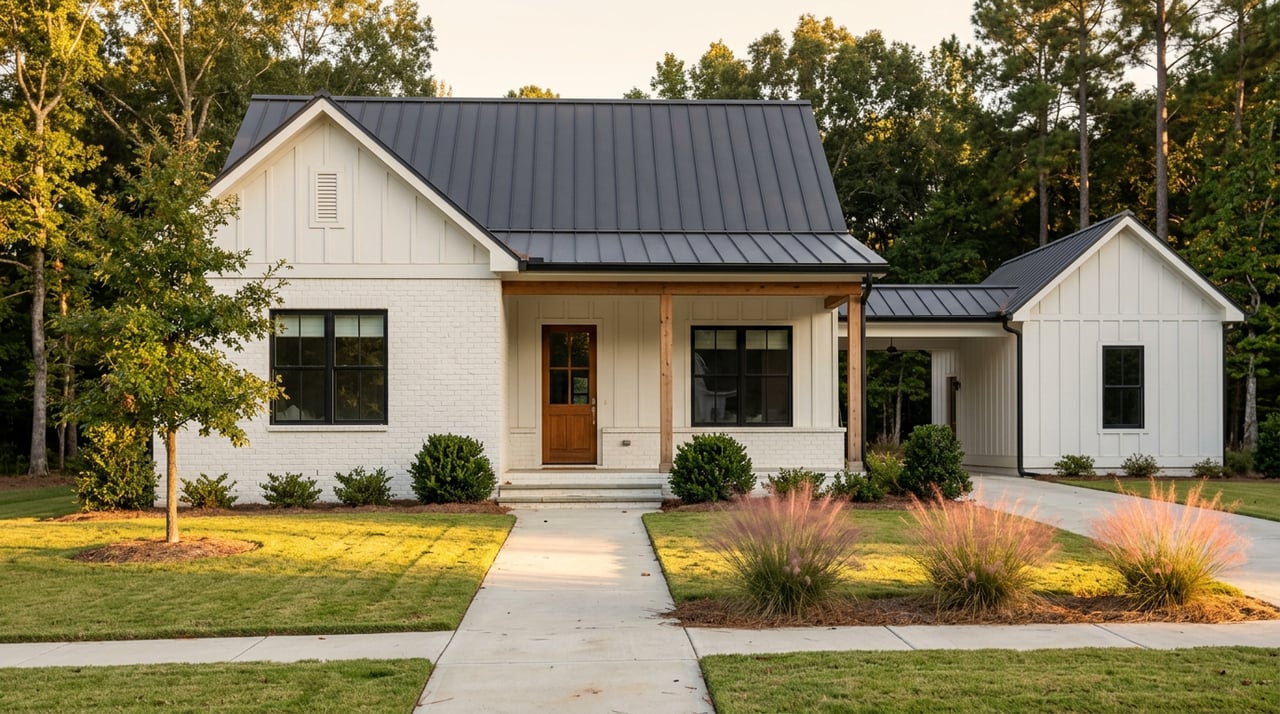
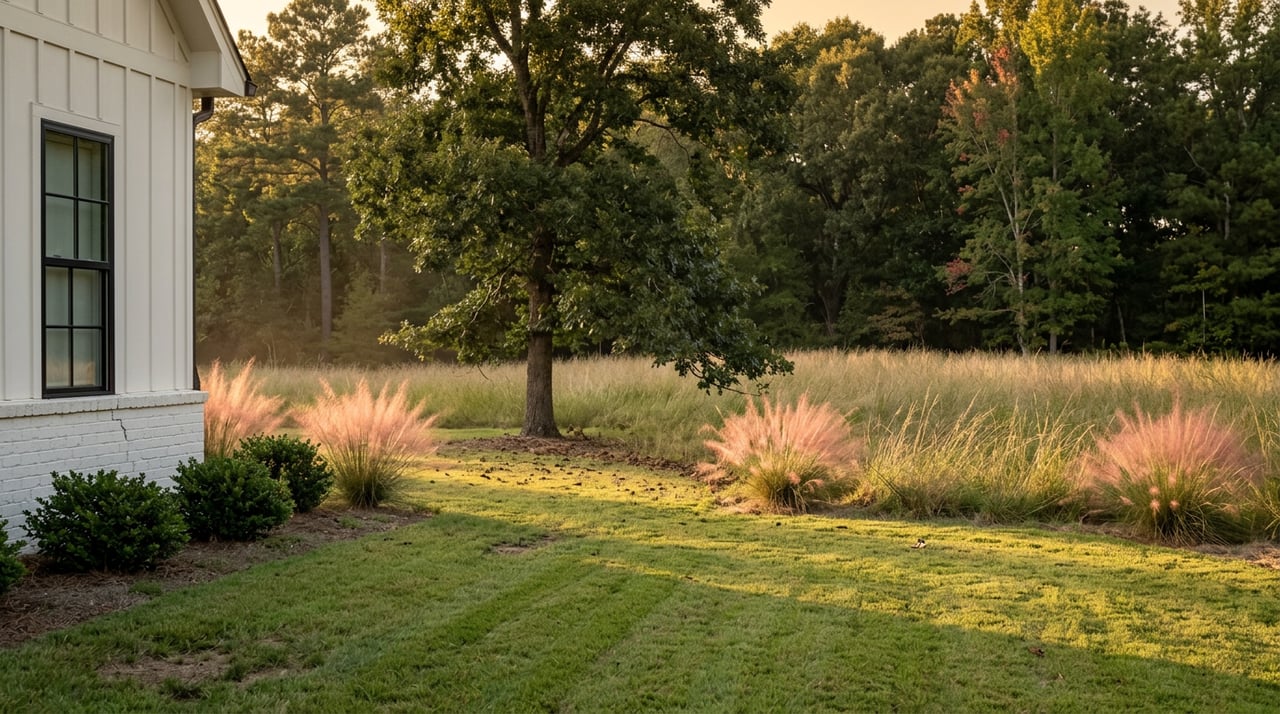
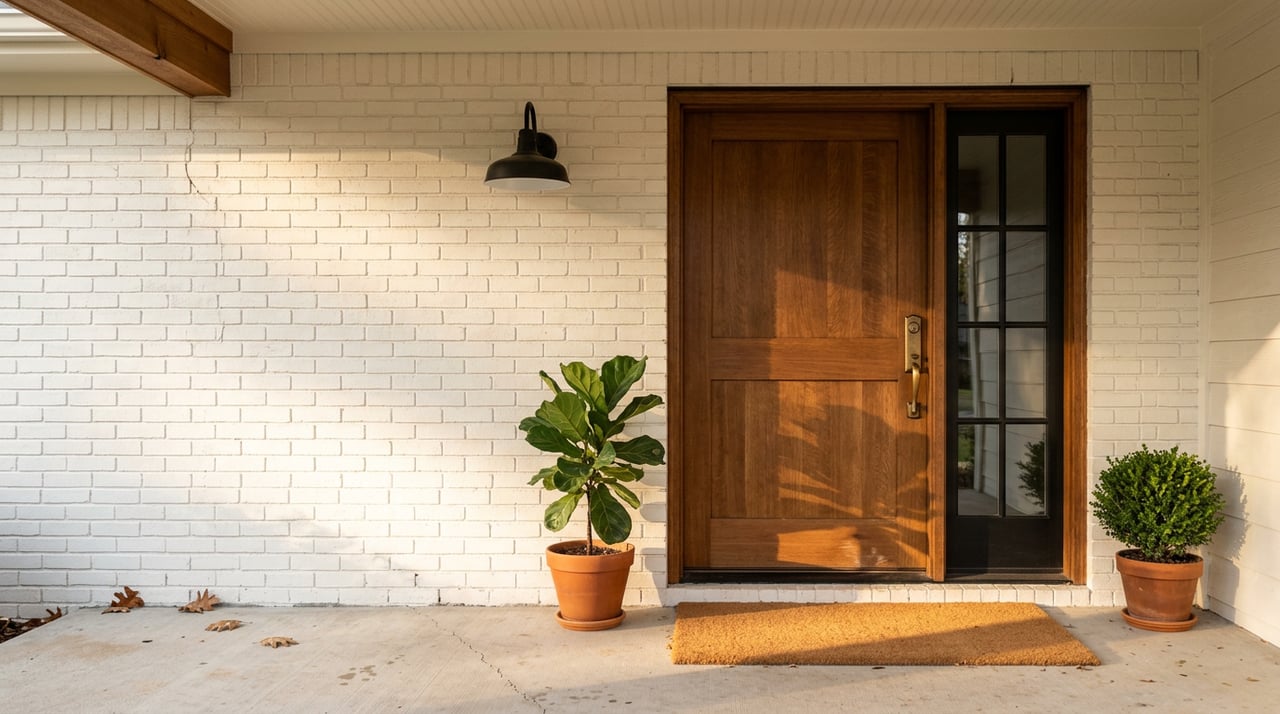
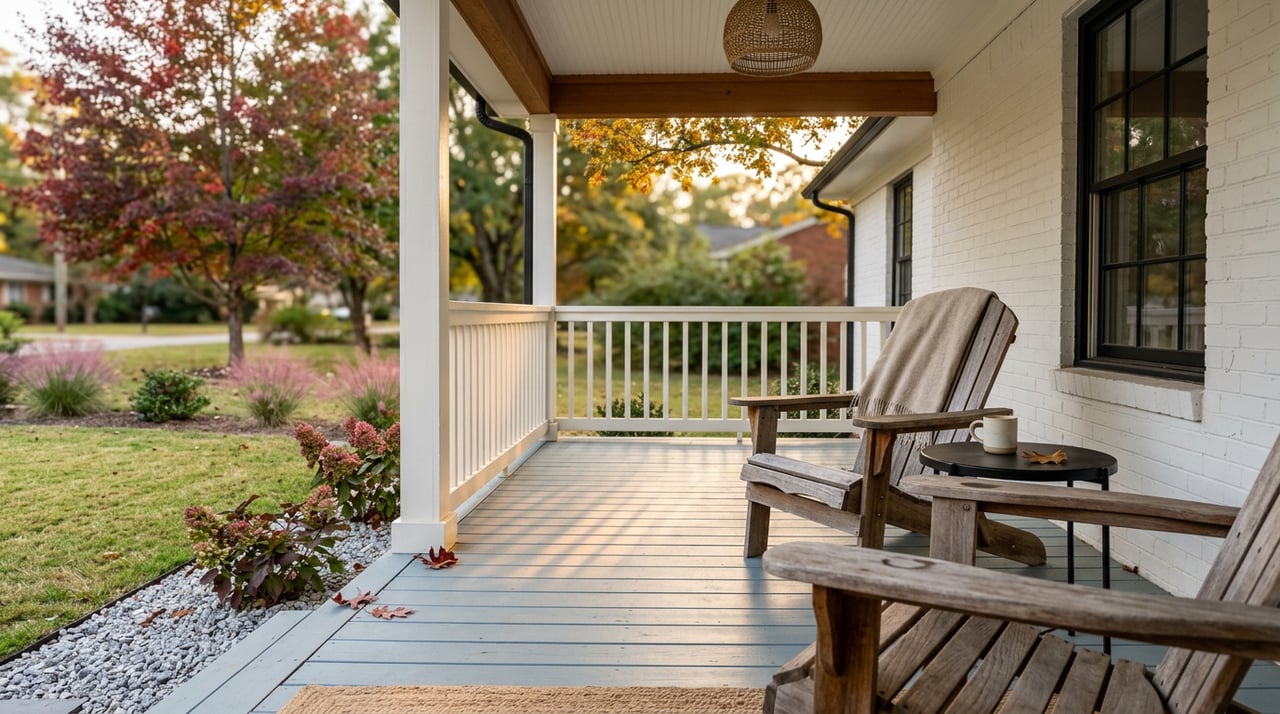
For many Tyler sellers, this supports a simple strategy. Mow, edge, trim, refresh beds, clean the entry, and make the front door feel inviting. These lower-cost updates can help your home feel well maintained before a buyer even steps inside.
Large remodels deserve extra caution
A full kitchen or bath remodel can still make sense in some cases, but it should be weighed carefully. NAR’s data shows both complete and minor kitchen renovations at 60% cost recovery, while bathroom renovations come in lower at 50%.
In a balanced market like Tyler, expensive remodeling is unlikely to pay back dollar-for-dollar. If your neighborhood has a clear price ceiling, major upgrades may improve appeal without meaningfully increasing your net proceeds. That is why many sellers do better with budget-controlled prep instead of a top-to-bottom redesign.
Sell as-is: when it can be the better choice
Selling as-is can make sense when you want to move quickly, avoid major out-of-pocket costs, or do not want to manage contractors before listing. It may also be worth considering if the home needs large repairs that are unlikely to deliver a strong return in your price band.
This approach can work well for sellers who prefer a straightforward sale and are willing to price the home according to its current condition. In Tyler, where buyers have options, that pricing piece is critical.
As-is does not mean no responsibility
In Texas, selling as-is does not remove your disclosure duties. The Texas Seller’s Disclosure Notice is required for previously occupied single-family residences, and the TREC form makes clear that it reflects the seller’s knowledge of the property’s condition. It is not a warranty, and it is not a substitute for inspections.
TREC’s standard contract also defines as-is as the present condition of the property with any and all defects and without warranty. Even so, the buyer can still inspect the property, negotiate repairs, or terminate during the option period. If repairs are agreed to, TREC says they are normally completed before closing unless both parties agree otherwise in writing.
Older homes may need extra disclosure steps
If your home was built before 1978, federal lead-based paint disclosure rules apply before the sale or lease of most such homes. That is an important detail to handle correctly if you choose an as-is sale.
Foundation concerns should not be ignored
In East Texas, foundation questions come up often, and they deserve attention before you decide to list as-is. TREC notes that some movement over time is normal in Texas because clay soils are common, but inspectors must report visible signs of potential adverse foundation performance.
Examples can include:
- Doors that bind
- Sloping floors
- Cracks or separations in walls, ceilings, or floors
If your home shows signs like these, it may be wise to get professional input before deciding on repairs, pricing, or an as-is strategy. Even if you do not fix the issue, understanding it upfront can help you plan for buyer questions and inspection results.
How to decide what is worth doing
The best decision usually comes down to net proceeds, timing, and risk. Instead of asking, “What would make my house look nicest?” it often helps to ask, “What will help this home sell with the least friction and the best realistic return?”
For many Tyler sellers, the highest-confidence approach is selective prep. Fix obvious defects, improve curb appeal, and choose renovations only when the likely resale benefit fits the local price band.
Questions to ask before you spend
These are smart questions to work through before making a decision:
- What are the top buyer objections in my Tyler price band and neighborhood?
- Which issues are likely to show up in inspection or financing, and which are mainly cosmetic?
- If I spend $5,000, $10,000, or $20,000, what sale-price lift is realistic here?
- Would paint, curb appeal, or a roof or repair project create more net value than a full remodel?
- Are there nearby comparable sales showing updated homes selling faster or at a premium?
- Should I get a pre-listing inspection or contractor bids before deciding?
These questions help keep the process grounded in facts instead of emotion. They also help you avoid putting money into updates that may not change your outcome in a meaningful way.
A simple Tyler seller framework
If you are stuck between renovating and selling as-is, this quick framework can help:
Choose targeted updates if:
- Your home is in decent overall shape
- The main issues are cosmetic or first-impression related
- You want to improve marketability without overspending
- The planned work fits your neighborhood’s likely price range
Consider selling as-is if:
- The home needs major repairs or system work
- You want to sell without managing a renovation project
- You are comfortable pricing the home based on current condition
- You understand that buyers may still inspect and negotiate
Get expert guidance first if:
- You see possible foundation movement or structural concerns
- You are unsure whether repairs are cosmetic or financing-related
- You are weighing multiple budget options and want to compare likely outcomes
In many cases, the answer is not fully renovate or fully as-is. It is a middle path that improves presentation, addresses red flags, and protects your net.
Every Tyler home has its own story, condition, and price strategy. If you want help deciding which updates are worth it and which ones you can skip, Brittany Sartain can help you evaluate your home, your neighborhood, and your selling goals with a practical local plan.
FAQs
Should Tyler homeowners renovate before listing a house for sale?
- Not always. In Tyler’s more balanced market, selective updates like paint, curb appeal, and needed repairs often make more sense than large remodels.
What home improvements usually help Tyler sellers the most?
- Visible, lower-cost projects often offer the safest bet, including whole-home paint, front-door improvements, roof replacement if needed, and basic landscaping or lawn care.
What does selling a Tyler home as-is actually mean?
- In Texas, as-is means the property is being sold in its present condition with any and all defects and without warranty, but buyers can still inspect, negotiate, or terminate during the option period.
Do Texas sellers still have to disclose problems when selling as-is?
- Yes. Texas disclosure rules still apply, and sellers of previously occupied single-family homes generally must provide the Seller’s Disclosure Notice based on their knowledge of the property’s condition.
Should Tyler sellers worry about foundation issues before listing?
- Foundation concerns deserve careful attention. TREC says inspectors must report visible signs of possible adverse foundation performance, such as binding doors, sloping floors, or cracks and separations.
Is a full kitchen or bathroom remodel worth it before selling in Tyler?
- It depends on your home and neighborhood price range. In many cases, full remodels should be weighed carefully because they may not return their full cost in Tyler’s current market.
How can Tyler sellers decide between updates and an as-is sale?
- Start by comparing your budget, timeline, known condition issues, likely buyer objections, and your neighborhood’s price ceiling. A local pricing and prep strategy can help you choose the option with the strongest net result.