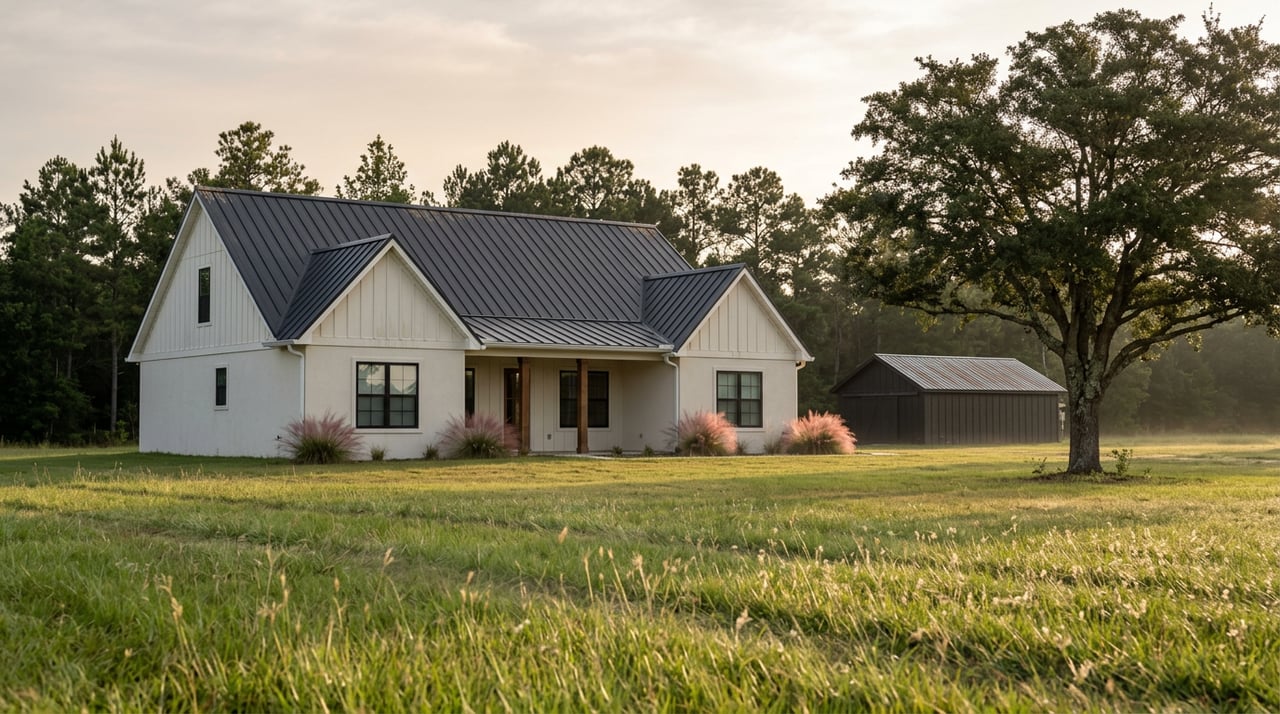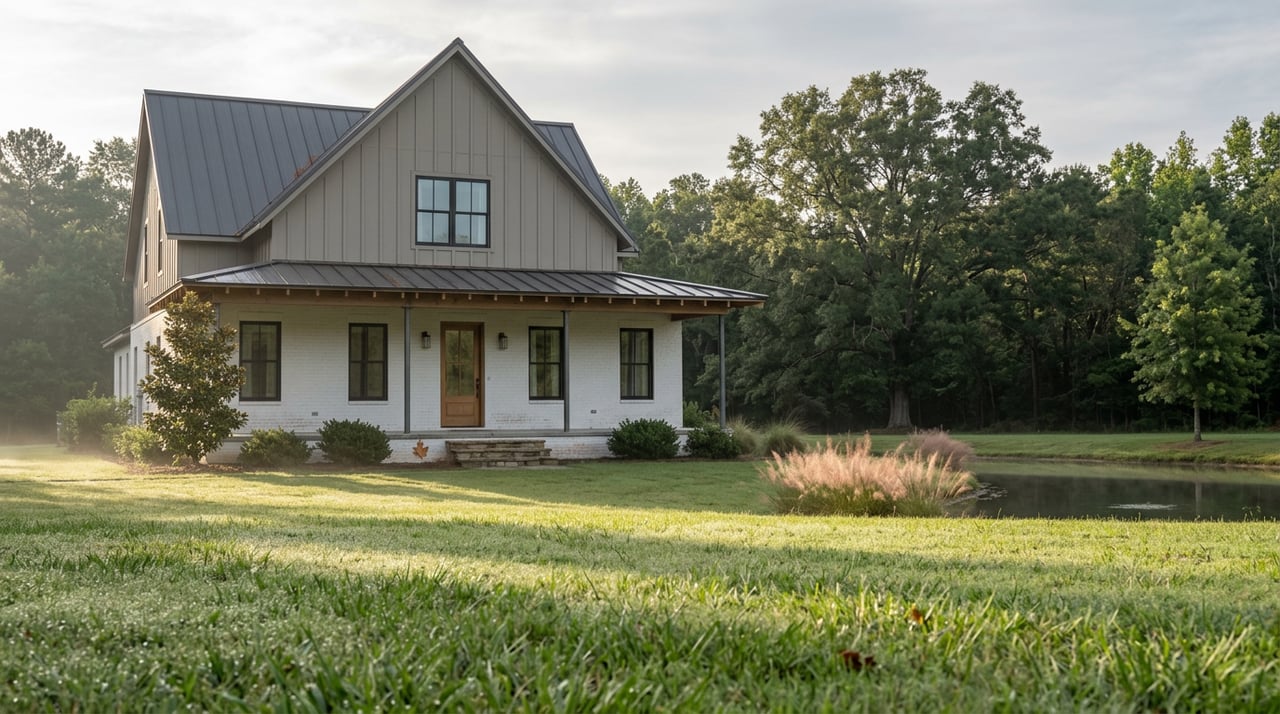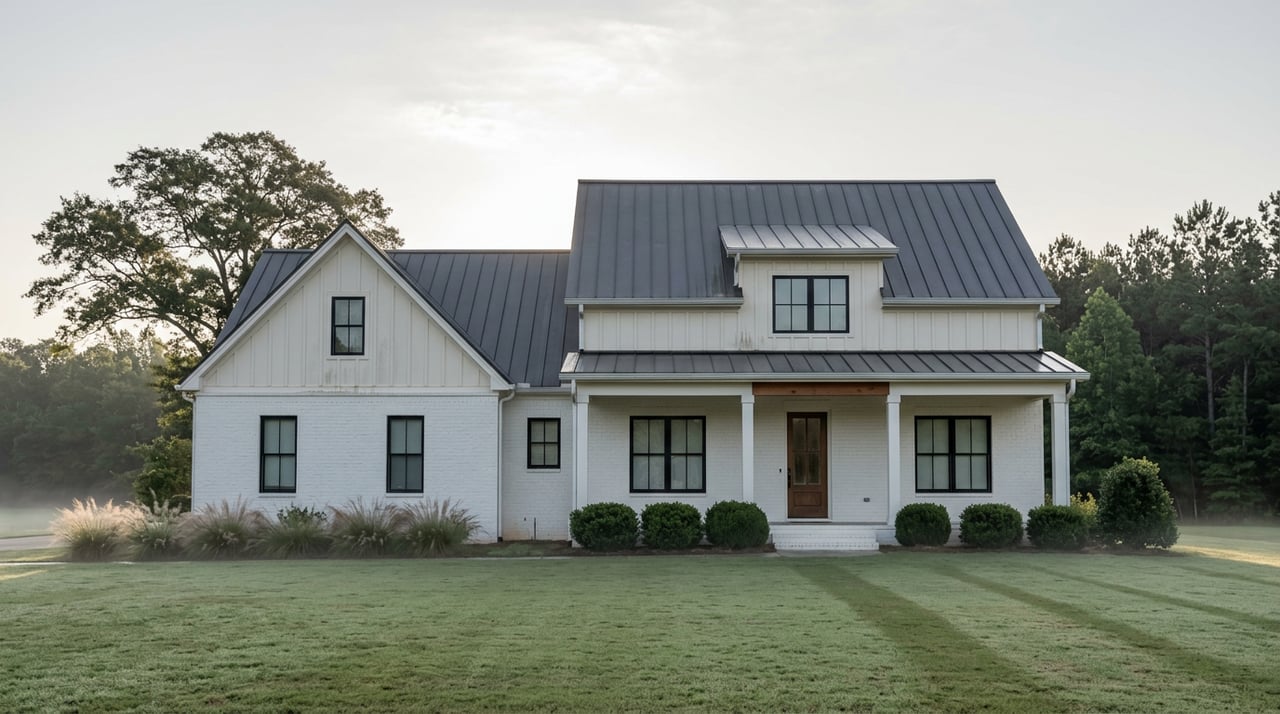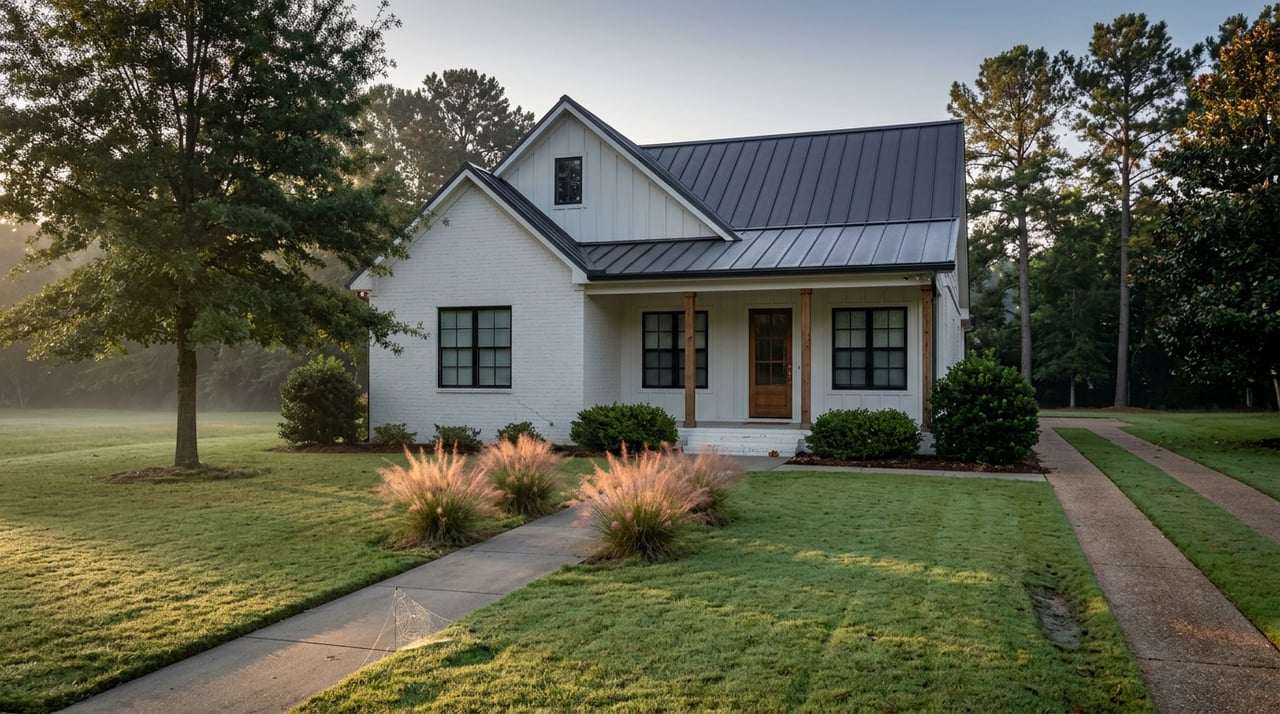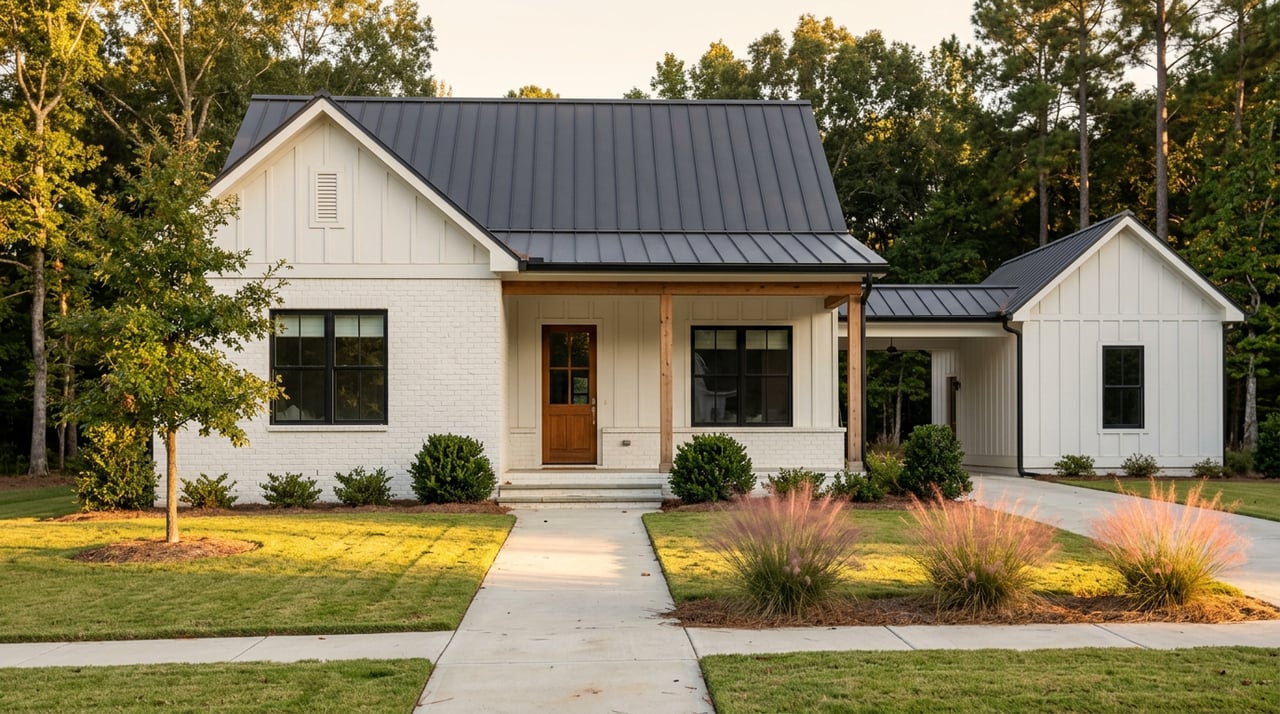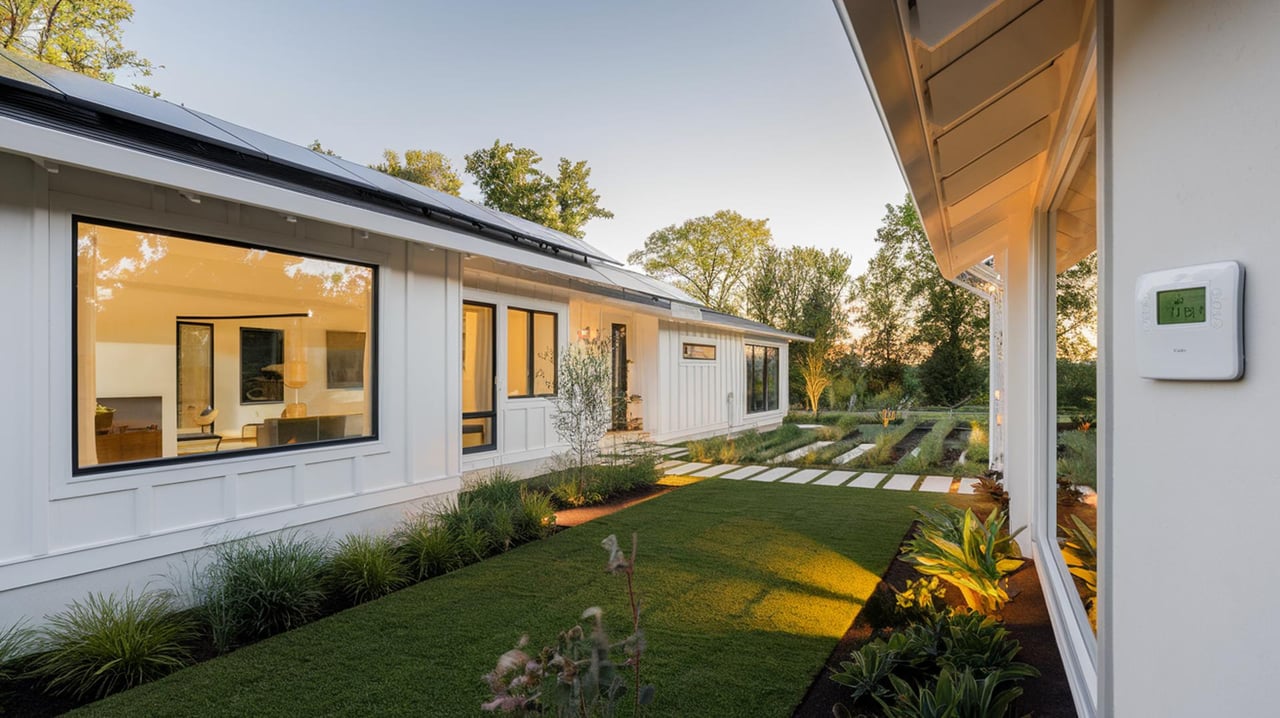
Enhancing your home's energy efficiency is a smart way to reduce utility bills and increase property value. Energy-saving upgrades not only benefit the environment but also offer long-term financial savings. By investing in these improvements, homeowners can enjoy a more comfortable living space while contributing to a sustainable future. The following sections explore various energy-saving home upgrades that can significantly boost your budget.
Insulation Improvements
Proper insulation is crucial for maintaining a consistent indoor temperature and reducing energy consumption. Upgrading insulation in key areas such as the attic, walls, and floors can prevent heat loss during winter and keep your home cooler in the summer. This leads to lower heating and cooling costs. Consider using materials like spray foam or fiberglass, which offer excellent thermal resistance. Additionally, sealing gaps and cracks around windows and doors can further enhance insulation efficiency.
Energy-Efficient Windows
Replacing old windows with energy-efficient models can make a significant difference in your home's energy consumption. Look for windows with low-emissivity (Low-E) coatings and double or triple glazing, which help reduce heat transfer and improve insulation. These windows can minimize drafts and prevent heat loss, leading to lower heating and cooling costs. Installing window treatments such as blinds or curtains can also help regulate indoor temperatures by blocking out sunlight during hot days and retaining warmth during cooler months.
LED Lighting
Switching to LED lighting is a simple yet effective way to reduce energy usage. LED bulbs consume significantly less electricity than traditional incandescent bulbs and have a longer lifespan, which means fewer replacements and lower costs over time. They are available in various styles and brightness levels, making them suitable for any room in the house. By replacing all the bulbs in your home with LED options, you can enjoy immediate energy savings and reduced utility bills.
Smart Thermostats
Installing a smart thermostat is an excellent way to optimize your home's heating and cooling systems. These devices allow you to program temperature settings based on your schedule, ensuring that energy is not wasted when the house is empty. Many smart thermostats can be controlled remotely via smartphone apps, providing flexibility and convenience. By using a smart thermostat, homeowners can achieve significant energy savings and maintain a comfortable indoor environment.
Solar Panels
Investing in solar panels is a substantial upgrade that can lead to significant energy savings. Solar panels harness the sun's energy to generate electricity, reducing reliance on traditional power sources and lowering utility bills. While the initial investment can be considerable, many homeowners find that the long-term savings and potential tax incentives make solar panels a worthwhile addition. Installing solar panels can also increase property value and contribute to a more sustainable lifestyle.
Energy-Efficient Appliances
Upgrading to energy-efficient appliances is another effective way to reduce energy consumption. Look for appliances with the ENERGY STAR label, which indicates they meet strict energy efficiency guidelines. Replacing old refrigerators, dishwashers, and washing machines with modern, energy-efficient models can lead to substantial savings on utility bills. These appliances often come with advanced features that enhance performance and convenience, making them a valuable addition to any home.
Water-Saving Fixtures
Installing water-saving fixtures can significantly reduce water usage and lower utility bills. Consider upgrading to low-flow faucets, showerheads, and toilets, which use less water without sacrificing performance. These fixtures are designed to maintain water pressure while minimizing waste, leading to cost savings and environmental benefits. Additionally, using aerators on faucets can further reduce water flow and enhance efficiency.
Efficient HVAC Systems
An efficient heating, ventilation, and air conditioning (HVAC) system is essential for maintaining a comfortable indoor environment while minimizing energy consumption. Upgrading to a high-efficiency HVAC system can lead to significant savings on heating and cooling costs. Regular maintenance, such as cleaning or replacing air filters and scheduling professional inspections, can also improve system performance and extend its lifespan. Consider installing a programmable thermostat to optimize HVAC operation and further enhance energy savings.
Weatherstripping and Caulking
Weatherstripping and caulking are simple yet effective methods to improve your home's energy efficiency. By sealing gaps and cracks around windows, doors, and other openings, you can prevent drafts and reduce heat loss. This leads to lower heating and cooling costs and a more comfortable living environment. Weatherstripping materials, such as foam tape or rubber, are easy to install and provide an immediate improvement in energy efficiency.
Reflective Roofing
Reflective roofing materials can help reduce energy consumption by reflecting sunlight and reducing heat absorption. This keeps your home cooler during hot weather, reducing the need for air conditioning and lowering utility bills. Reflective roofing materials are available in various styles and colors, making them suitable for any home design. By investing in a reflective roof, homeowners can enjoy long-term energy savings and a more comfortable indoor environment.
Ready to Upgrade Your Home?
Investing in energy-saving upgrades is a smart way to boost your budget and enhance your home's comfort. These improvements not only save money but also increase your property's value. If you're ready to explore more ways to make your home efficient, Brittany Sartain is here to help. Reach out today to discover how you can transform your home into an energy-efficient haven.