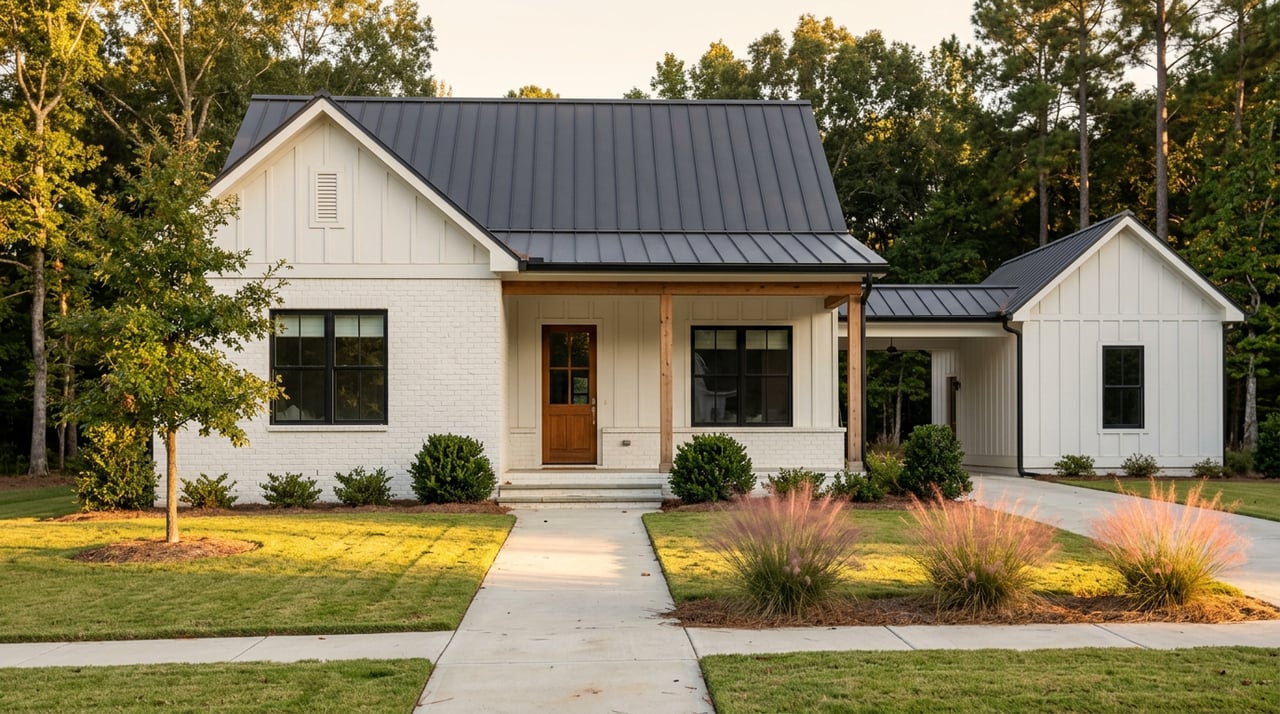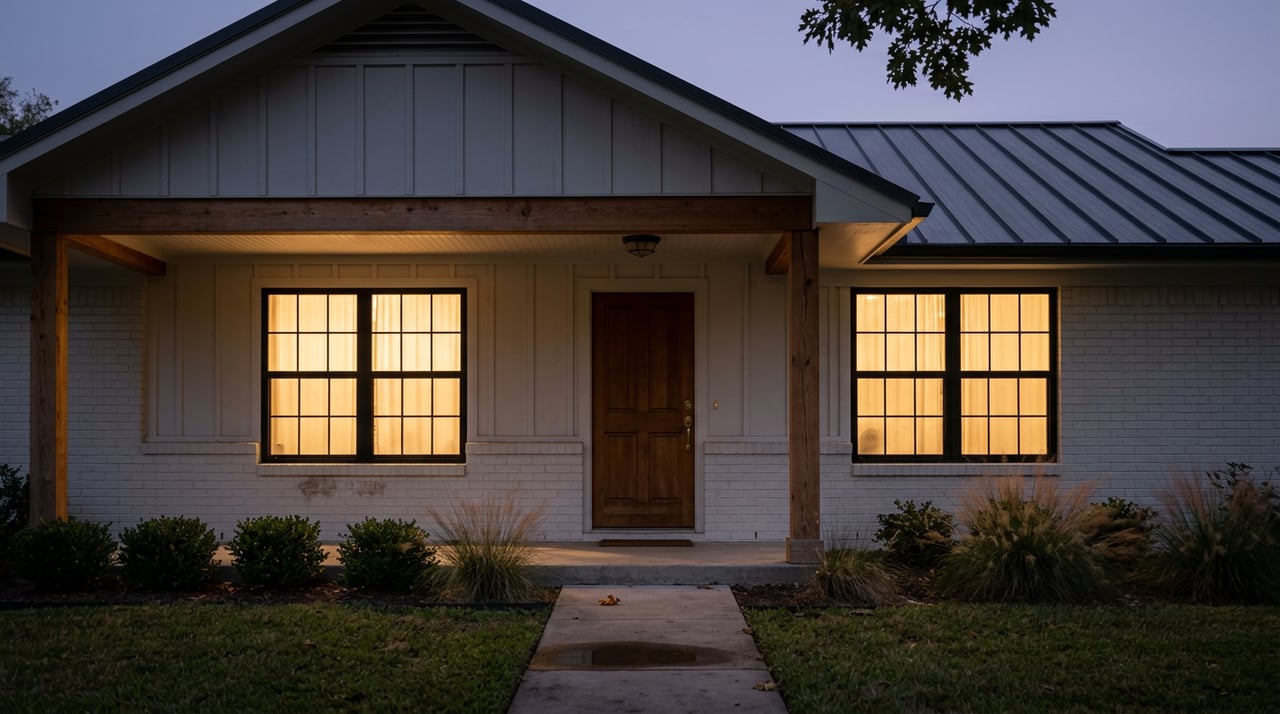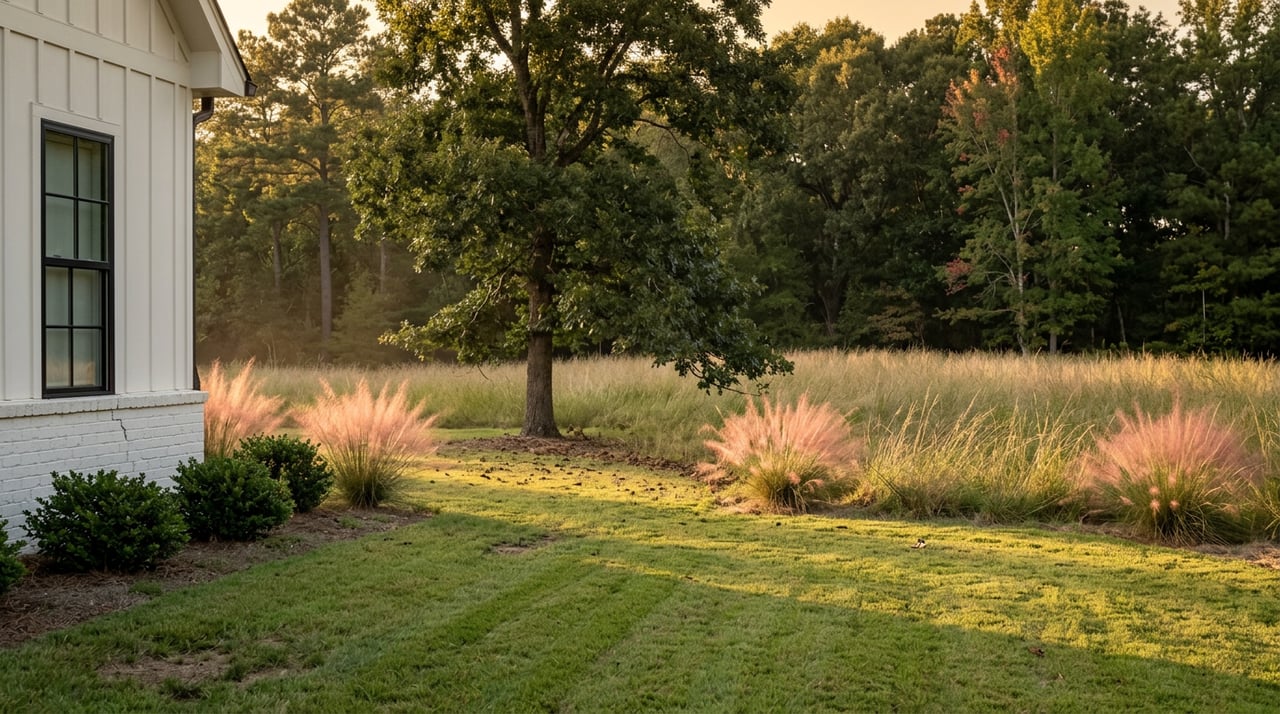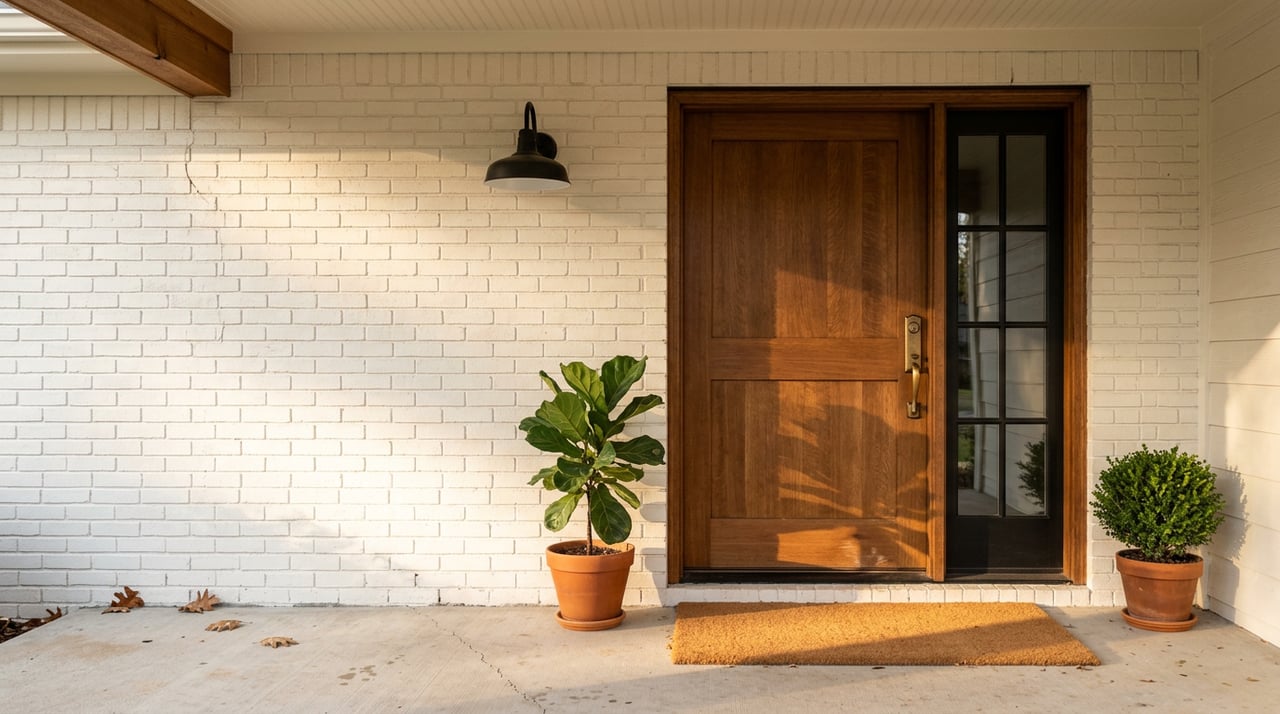
Trying to choose between new neighborhoods in Whitehouse or Bullard? You are not alone. Many buyers love the idea of a fresh, energy-efficient home but want clarity on prices, lot sizes, builders, and commute. This guide breaks down what you can expect in each area, how to compare neighborhoods, and what to ask every builder before you sign. Let’s dive in.
Whitehouse vs. Bullard at a glance
Both Whitehouse and Bullard sit just outside Tyler, with convenient connections like US 69 and Loop 49. Typical drive times to downtown Tyler run about 10 to 20 minutes from Whitehouse and roughly 15 to 25 minutes from Bullard, a pattern local buyers often weigh when picking a neighborhood. For a broader local overview, see this comparison of Tyler, Bullard, and Whitehouse neighborhoods and commutes on Brittany’s site here.
On price, the Tyler-area median has hovered near the upper $200ks to around $300k in recent regional snapshots, which helps set context for where new construction typically lands. Recent reporting from the Texas Real Estate Research Center shows a metro median in the ~297k to 300k range, though neighborhood specifics vary community by community. You should always confirm current MLS numbers for your short list of homes and builders. Review the regional snapshot from the Texas Real Estate Research Center here.
In general, Whitehouse new builds often cluster from the high $200ks to mid $300ks for production and spec homes. Bullard offers a wider mix: entry to midsize builder homes in the $300ks and, in many neighborhoods with larger lots or custom finishes, prices that climb higher. Your final price will depend on lot selection, builder, and upgrades.
What you get in Whitehouse new builds
Whitehouse leans toward production builders with single-story and two-story floor plans on modest suburban lots, often about 6,000 to 10,000 square feet. Buyers will find quick-move-in options and smaller communities where the process is streamlined and timelines are clearer. Explore current examples of new homes in the 75791 ZIP to get a feel for active product and pricing using this Whitehouse new homes snapshot.
If you want an easier-to-maintain yard, a simpler selection process, and a shorter drive into Tyler, Whitehouse neighborhoods can be a practical fit. The tradeoff is less outdoor space compared to larger-lot options to the south.
What you get in Bullard new builds
Bullard features a blend of national builders and local semi-custom teams, plus several developments with larger lots. It is common to see half-acre sites and plans that allow for expanded outdoor living, detached structures, and more personalized finishes. Many buyers also like Bullard for proximity to Lake Palestine and, in some cases, Lake Tyler access on the east side of the corridor.
Expect a wider spread in pricing. You will see everything from production homes in the $300ks to custom builds that reach well into higher price points, depending on lot size, location, and finish level. If lot size and personalization are priorities, Bullard often checks those boxes.
Choosing lot size and lifestyle
- Typical suburban lots. These are most common around Whitehouse. They offer lower upfront cost and easier maintenance, plus shorter drives and close-in convenience.
- Half-acre or estate lots. More common around Bullard. They can support outdoor kitchens, pools, or small outbuildings, with higher total costs from the lot premium and finishes.
- Acreage or rural parcels. Found throughout the corridor in select areas. You get privacy and flexibility, but you should plan for longer drives and different utility or permitting steps.
Taxes, schools, and nearby amenities
- Property taxes. Smith County’s combined city and ISD tax rates make a real impact on your monthly payment. A simple estimate is assessed value multiplied by the total adopted rate for your city and school district. You can review current local rate summaries on the county’s Truth in Taxation page here.
- Schools. District performance, boundaries, and program offerings matter to many buyers. Recent TEA accountability reports show strong performance for several local districts, and Bullard ISD has posted a B rating in the latest cycle. Always verify current ratings and attendance zones directly with each district before you decide on a neighborhood.
- Amenities. Many buyers weigh proximity to Tyler’s medical and retail corridors, local parks, and lake access on Lake Tyler or Lake Palestine. If weekends on the water are part of your plan, that may tip you toward specific pockets near the lakes.
Builder basics: warranties, upgrades, and contracts
Understand your warranty
Many builders use a 1-2-10 pattern for warranties: one year on workmanship and materials, two years on major systems, and ten years on structural items. Coverage is often administered by a third-party provider. Ask for the exact booklet and how to file claims. You can see an example of a national program booklet here.
Texas law changed in 2023 in a way that can affect structural coverage. If a qualifying written warranty is provided, some builders operate with a six-year statute of repose for certain residential construction claims. That means you may see 1-2-6 warranties, while some builders still offer a 10-year structural term as a selling point. Read the warranty and note exact timelines and claim steps. Learn more about the change in Texas law here.
What to check in the warranty and contract:
- Who issues the warranty, the builder or a third-party insurer.
- What qualifies as a structural defect and what is excluded.
- Transfer rules, deductibles, and how to file a claim.
- Any arbitration, notice, or deadline requirements in your contract.
Plan for upgrades and allowances
Base prices rarely include the finishes you see in the model. Kitchen packages, cabinets, counters, floors, and lighting can add up quickly. Major kitchen upgrades alone can run in the tens of thousands, depending on selections, which is why your all-in budget may differ from the advertised base price. See typical cost ranges for major finish upgrades here.
Ask for:
- An itemized upgrade price list and a written allowance schedule by category.
- Signed change orders before any work starts, with both time and price impact.
- A clear, written policy for design center, restocking, and change-order fees. For a practical contract checklist, review this guide to builder contracts here.
Contract checkpoints and timeline
Confirm the earnest money and deposit schedule, what is refundable, and whether you have an option or inspection period. Ask for a realistic completion date, plus what happens if the builder runs late. Document your punch list process and when the final walk-through happens. If the builder offers lender incentives or rate buydowns, make sure you understand any requirements tied to using a preferred lender.
Inspections that protect you
Independent inspections are smart even on a brand-new home. Schedule at least a pre-drywall inspection and a pre-close inspection to identify issues before you sign final paperwork. Then plan an 11th-month inspection to document items before the one-year workmanship coverage ends. You can search for certified inspectors through professional groups like InterNACHI here.
What to ask the builder on Day 1
- A complete warranty packet and who administers it.
- The full, itemized upgrade price list and allowance schedule.
- A sample purchase contract to review in advance.
- A milestone timeline from contract to close.
- A list of nearby or prior communities you can tour.
- The name and contact for the warranty administrator or insurer.
New build vs. resale: quick comparison
- Price. Compare the new home’s all-in cost, including upgrades, to resale price plus likely renovation costs. Use remodeling cost ranges to estimate any post-close work.
- Lot size and lifestyle. Decide how much yard and storage you truly want. Larger lots may change your budget and maintenance plan.
- Timeline. Resale often closes faster. New construction can slip, so ask for a firm schedule and remedies if the delivery runs late.
- Maintenance and efficiency. New construction typically offers modern systems and lower near-term maintenance, which can reduce surprise costs in the first few years.
- Resale pool. Smaller-lot homes often draw a wide audience at resale. Custom and acreage properties can be more niche, which can affect time on market later.
When to bring your agent
Bring your agent before you visit a model home or sign anything. Builder salespeople represent the builder, not you. A buyer’s agent advocates for your interests, reviews contracts, lines up inspections, and helps you weigh incentives against long-term costs. See why this matters for first-time and new-home buyers here.
An agent can also help you:
- Value lot premiums and compare plans across competing neighborhoods.
- Negotiate upgrades, closing costs, and timelines based on current builder incentives.
- Coordinate a lender comparison so you understand the true cost of a preferred-lender deal.
Ready to compare neighborhoods?
If you want help narrowing your list, pricing upgrades, and choosing the right lot, you do not have to do it alone. Reach out to Brittany Sartain for a friendly, no-pressure walkthrough of your options in Whitehouse, Bullard, and the greater Tyler area. She will help you align budget, location, and lifestyle so you can move forward with confidence.
FAQs
Do builder salespeople represent me in new construction near Whitehouse and Bullard?
- No. Builder sales reps work for the builder. Bring your own agent early so your representation is documented and your interests are protected.
How do new-build warranties in Texas work?
- Many builders offer 1-2-10 coverage, while some use 1-2-6 due to a Texas law change. Always read the booklet to confirm the structural term, exclusions, claim steps, and deadlines.
How much will upgrades add to my budget?
- It depends on your selections, but major finish choices can add tens of thousands to the base price. Ask for itemized pricing and a written allowance schedule before you commit.
Which inspections do I need on a brand-new home?
- Schedule a pre-drywall inspection, a pre-close inspection, and an 11th-month inspection. These catch issues while they are easiest to fix and still under warranty.
What are typical price ranges for new construction in Whitehouse and Bullard?
- As a guide, the Tyler-area median has been near the upper $200ks to around $300k. Whitehouse production homes often run high $200ks to mid $300ks, while Bullard spans a wider range with some custom builds well above that. Always verify with current MLS data.
How are property taxes estimated in Smith County?
- Multiply your assessed value by the adopted combined rate for your city and school district. Your lender can help you model monthly payments based on the current year’s rates.