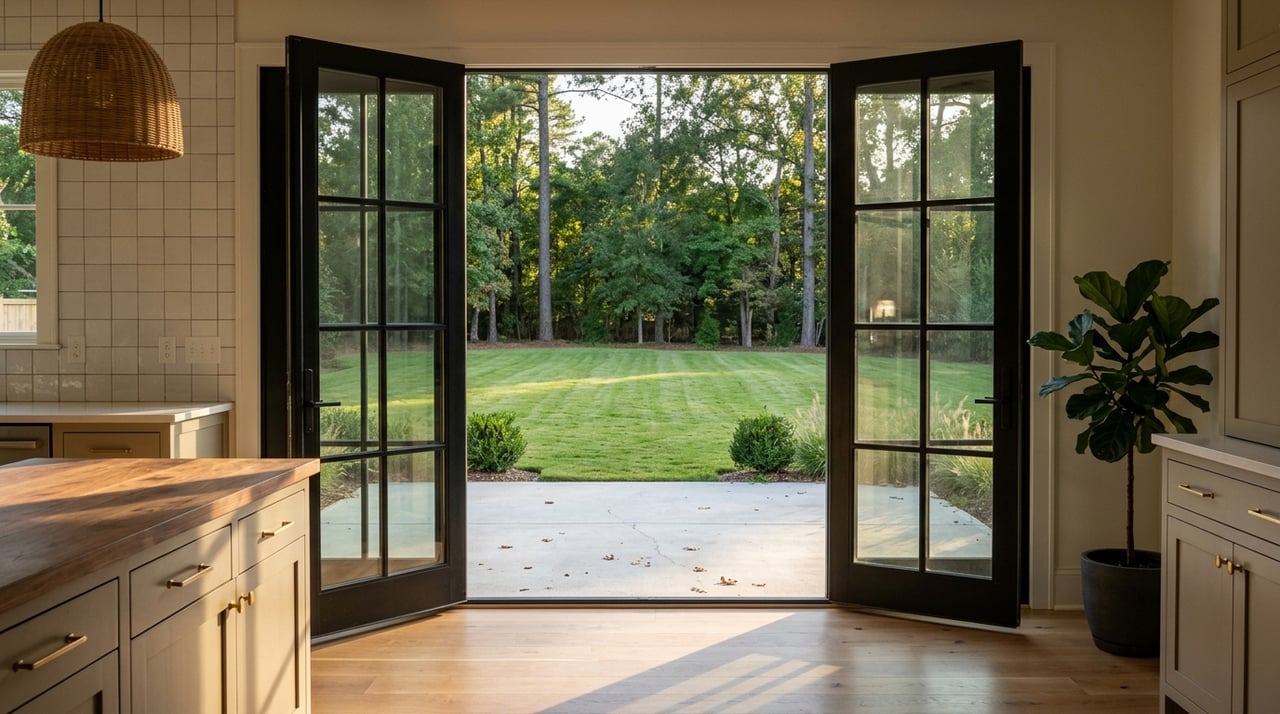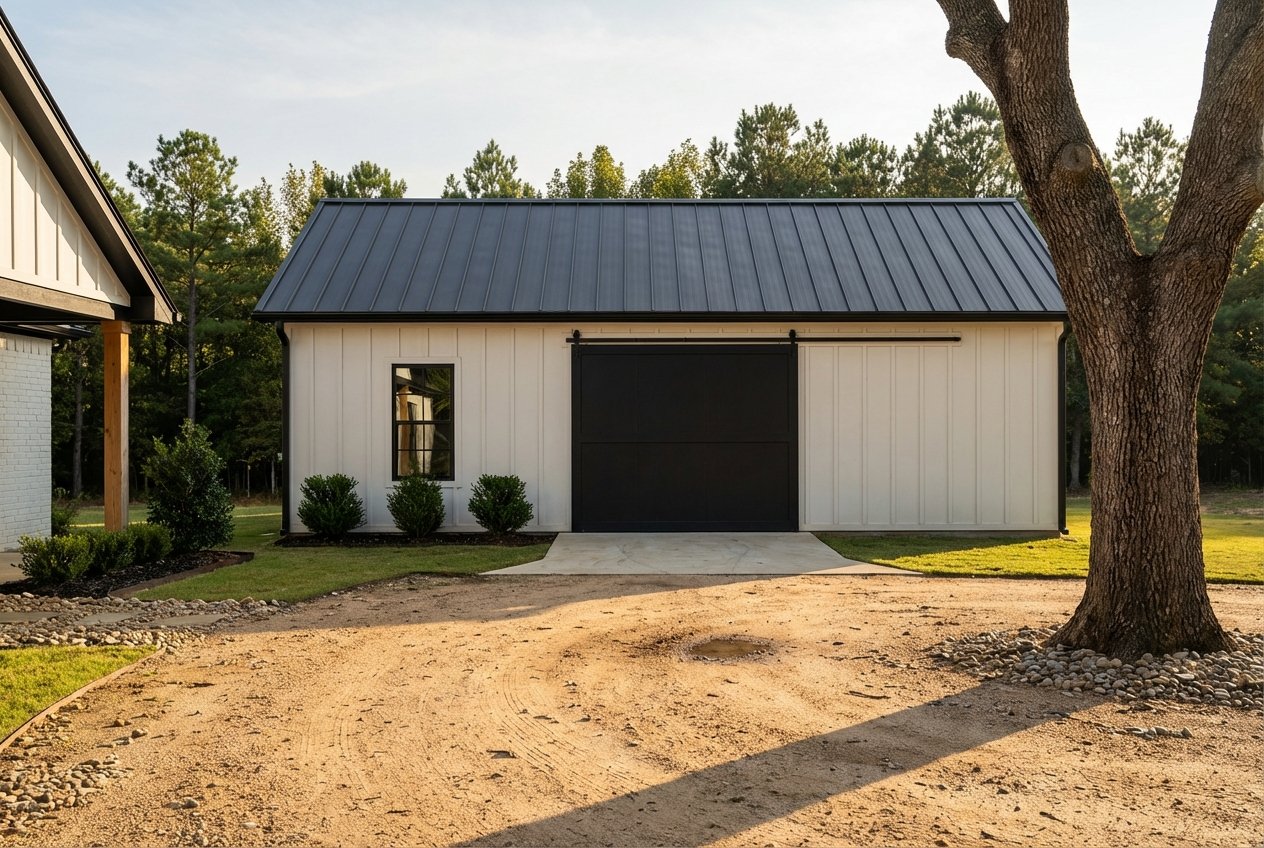
Thinking about a few peaceful acres near Troup where you can keep a garden, add a small barn, or just enjoy the trees and quiet? You are not alone. Many buyers want rural space with an easy reach to Tyler’s jobs and services. In this guide, you will learn the key checks to run on any small-acreage property around Troup so you can buy confidently and avoid costly surprises. Let’s dive in.
Why small acreage near Troup works
Troup sits on the Smith–Cherokee county line with State Highways 110 and 135 running through town. It is roughly 18 to 20 miles to Tyler, which is about a 25 to 35 minute drive depending on traffic and route, according to local references on Troup. That makes the area a fit if you want elbow room without giving up city access.
You will find a mix of wooded, semi-cleared, and pasture tracts in the East Texas Piney Woods and Post Oak transition. Tree cover, soils, and drainage can change fast over short distances. If your plans include a homesite, shop, small livestock, or a pond, early site checks will save time and money.
Know your land
Soils and buildability
Soils drive where you can place a home, how streets and pads hold up, and which septic systems are allowed. Pull an NRCS parcel report using the Web Soil Survey for the exact tract. Look for drainage, slope, and shrink-swell ratings. Sandy or loamy uplands often handle pads and drain fields better than clay-heavy bottomlands.
Water features and flood risk
If a property includes a creek, low terrace, or pond site, check FEMA maps before you fall in love with a building spot. Use the FEMA Map Service Center to see mapped zones and print a FIRMette for your records. Being in a mapped floodplain can change where you build and may require permits and flood insurance.
Timber and tree cover
Many East Texas tracts include merchantable pine or hardwood. Ask whether there are timber sales, cutting restrictions, or management agreements recorded on the deed. Trees add privacy and value, but agreements can affect your use of the land and timing of clearing.
Access and roads
Public vs private access
Confirm you have legal, recorded access. If you reach the land by crossing another property, you need a recorded easement that spells out ingress and egress and who maintains the drive. A gated private road without a written agreement can lead to disputes and lender issues.
County roads and culverts
If your driveway ties into a county road, coordinate with Smith County Road & Bridge about permits, culverts, and maintenance levels. Start with the Smith County Road & Bridge page to identify contacts and forms. Ask which precinct maintains the road and whether any bond projects or upgrades are planned along your route.
State highway access
Frontage on SH 110 or SH 135 can be convenient, but new or changed access usually needs a TxDOT driveway permit. Spacing, sight distance, and drainage rules can be strict. Have the listing agent confirm any existing permits and talk with the district office before you budget a new commercial approach.
Shared private drives
For tracts on a shared road, verify how maintenance is funded and whether the road supports emergency vehicles. A simple, signed road maintenance agreement can prevent future headaches and help with financing.
Utilities and services
Electricity
Some rural parcels already have a service drop or meter pole. If not, contact the local provider to price line extensions and any new poles. In the Tyler area, Oncor often serves the region, while co-ops may serve outlying pockets. Get written estimates for longer runs or three-phase needs.
Water options
Inside Troup city limits, check availability with the City’s utility department using the City of Troup water and utility page. Outside city limits, small-acreage owners usually rely on private wells or nearby water supply corporations. Well depth, yield, and water quality vary by site, so plan a pump test and lab sample. Texas A&M AgriLife’s programs offer guidance on testing and sampling, as seen in this private well screening resource.
Septic systems
Most rural homes use on-site sewage facilities. In Texas, permitting follows TCEQ rules and is often delegated to a local “authorized agent.” Before you write an offer, confirm who permits systems for the parcel and which designs are allowed. Start with TCEQ’s overview of OSSF authorized agents and then call the county or city office that covers your tract.
Broadband, cell, and basics
Internet and cellular service are address specific in rural areas. Check the exact address with major providers for fiber or cable. If none are available, you may rely on fixed wireless or cellular hotspots. Ask about solid-waste pickup, postal delivery, and local fire response, since service levels can differ from inside the city.
Rules, taxes, and title
Zoning, subdivision, and ETJ
Counties in Texas do not use broad zoning in unincorporated areas, but they do enforce subdivision, roadway, and floodplain rules. Smith County publishes subdivision requirements and handles permits through the Road & Bridge office. You can review contacts and policies on the Smith County Road & Bridge site. If the tract is inside a city or its ETJ, ask about added rules for lot splits or accessory buildings.
Agricultural valuation and property taxes
Open-space agricultural, timber, or wildlife management use can qualify land for special appraisal that may reduce property taxes. Ask whether the seller has an ag valuation in place, how it transfers, and what evidence you will need to maintain it. For current appraisal details and history in Smith County, start with the Smith County Appraisal District, and contact the Cherokee Central Appraisal District for parcels on the Cherokee side.
Mineral rights and leases
In Texas, the mineral estate can be separate from the surface estate. Review the title commitment for mineral reservations, existing leases, and any producer liens. Active mineral rights can allow access for roads or equipment, which can affect how you use the land.
Easements and surveys
Require a current boundary survey and review every recorded easement. Look for ingress and egress, utilities, pipelines, and powerline rights-of-way. MLS maps are helpful for screening, but they do not replace a signed survey and a clear title commitment.
Flood risk and insurance
If any part of the property falls within a FEMA-mapped flood zone, plan for flood insurance quotes and local floodplain permits. Confirm the zone using the FEMA Map Service Center. Smith County participates in the National Flood Insurance Program, and floodplain permits are a normal step when building in mapped areas.
Quick pre-offer checklist
- Verify recorded legal access and any maintenance agreement for a shared drive.
- Ask for a current boundary survey or include a survey contingency.
- Pull the parcel map on the FEMA Map Service Center and get insurance quotes if any portion is mapped.
- Run the parcel on the Web Soil Survey to check drainage and septic suitability.
- Confirm water: call the City for availability inside limits or plan a well test and sample using resources like Texas A&M AgriLife’s well programs.
- Confirm septic permitting with the local authorized agent via TCEQ’s OSSF page.
- Call the electric provider for written line-extension and pole estimates.
- Check the Smith County Road & Bridge office for driveway, culvert, and floodplain permits, and review county road project maps for planned work.
- Ask the appraisal district about current ag valuation status using the Smith CAD site for Smith County, and confirm rules with Cherokee CAD if applicable.
- If you plan a new well, identify whether your tract falls under the Neches and Trinity Valleys Groundwater Conservation District and review its guidance at NTVGCD.
Who to call for parcel facts
- City of Troup utilities for city water and account setup: see the City of Troup water and utility page.
- Smith County Road & Bridge for road status, driveway and culvert permits, and floodplain permitting: Smith County Road & Bridge.
- FEMA for official flood maps and FIRMettes: FEMA Map Service Center.
- Septic permitting authority identified through TCEQ: OSSF authorized agents.
- Appraisal districts for taxes and ag valuation: Smith County Appraisal District and the Cherokee Central Appraisal District for Cherokee parcels.
- Groundwater and potential well rules: Neches and Trinity Valleys GCD.
Ready to move from idea to offer?
Small-acreage success comes from early due diligence. When you confirm access, soils, water, septic, utilities, and taxes up front, you protect your plans and your budget. If you want a guide who knows East Texas acreage and can quarterback the right calls and contingencies, let’s talk. Connect with Brittany Sartain to start your search with confidence.
FAQs
How far is Troup from Tyler and what is the commute like?
- Troup is about 18 to 20 miles from Tyler, typically a 25 to 35 minute drive depending on route and traffic.
What should I check first on a small-acreage tract near Troup?
- Confirm legal access and easements, review soils and flood maps, and verify water, septic, and power service before you write an offer.
How do I confirm flood risk on rural land?
- Use the FEMA Map Service Center to view the parcel’s mapped flood zone and get quotes if any area is in a floodplain.
Who permits septic systems for properties around Troup?
- Septic permitting follows TCEQ rules and is handled by a local authorized agent, which you can locate through TCEQ’s OSSF page.
Can I get city water outside Troup city limits?
- City water service is typically limited to parcels inside city limits; outside, expect a private well or a nearby water supply corporation if available.
What is agricultural valuation and why does it matter?
- Ag valuation is a special appraisal for qualified use that may reduce property taxes; ask the Smith County Appraisal District about current status and transfer steps.
Do mineral rights usually convey with East Texas land purchases?
- Mineral and surface rights are often severed, so review the title commitment for reservations or leases and confirm what conveys at closing.