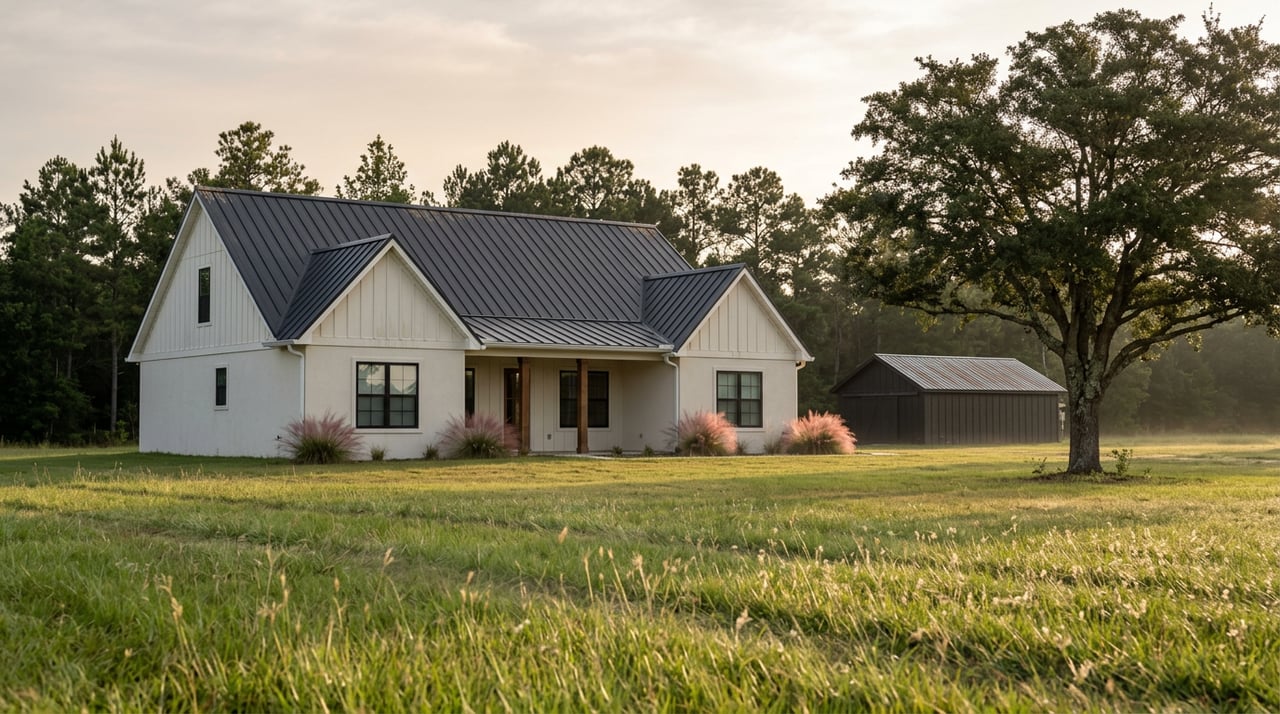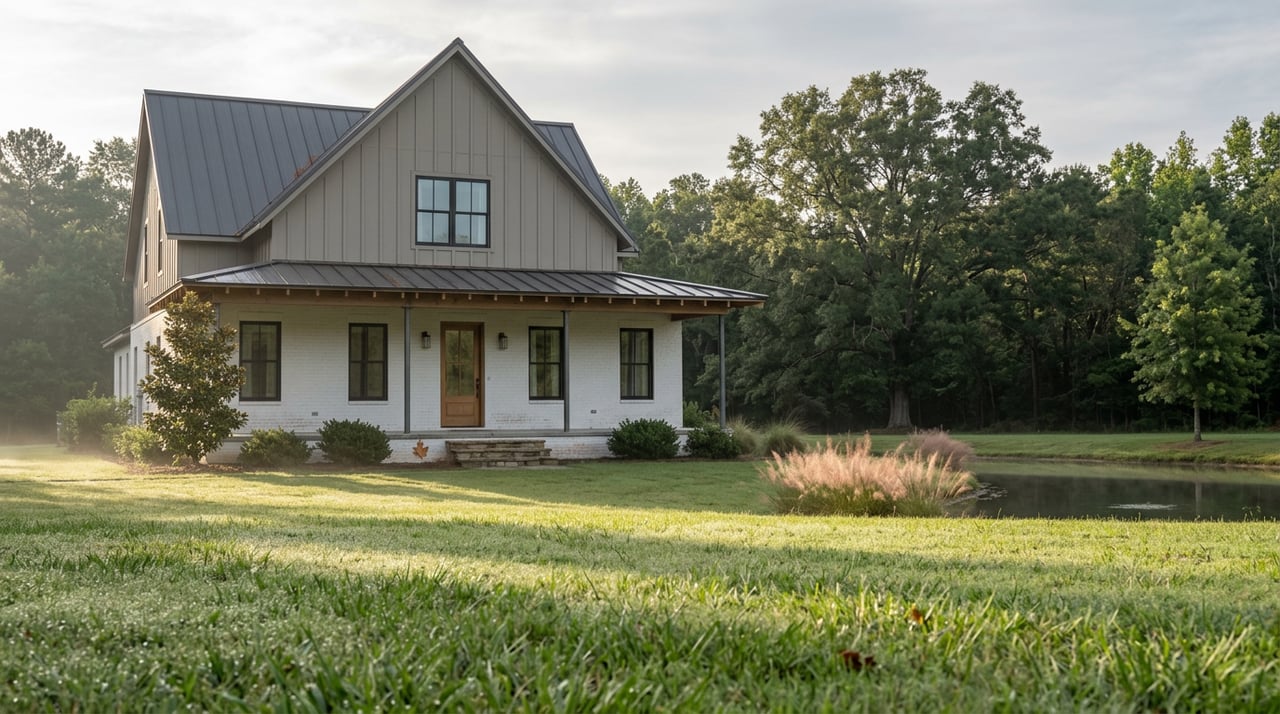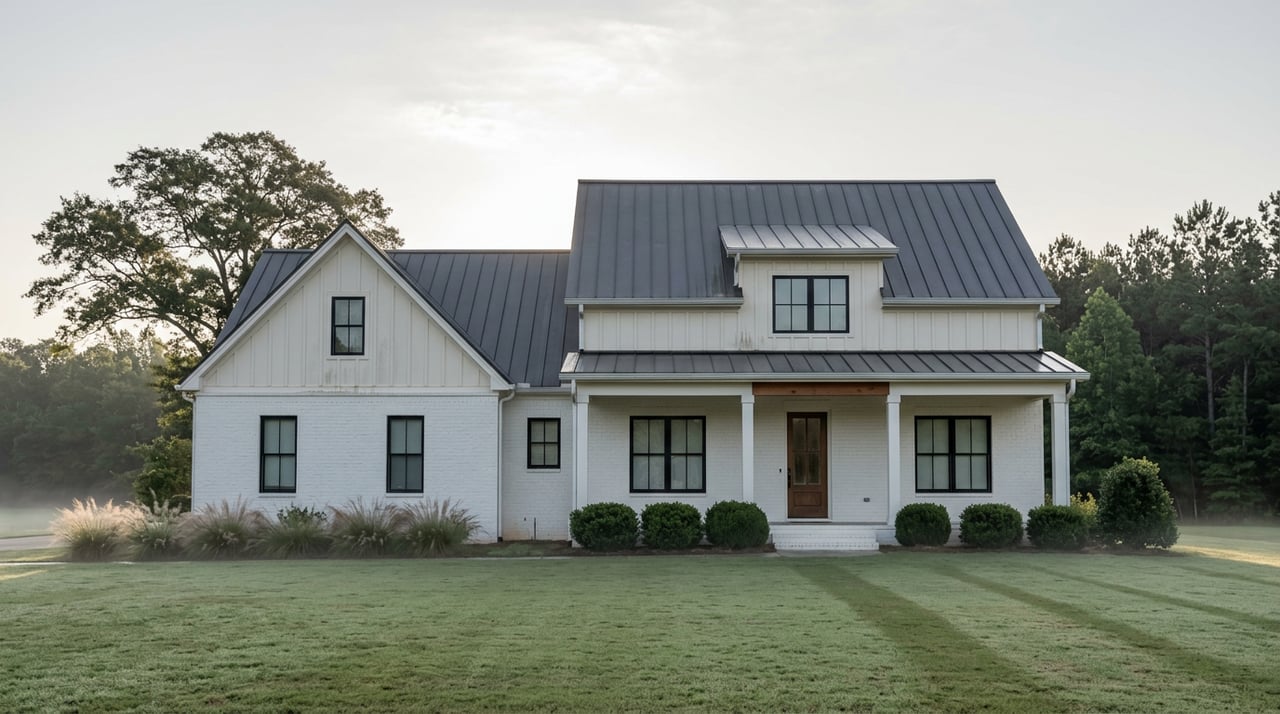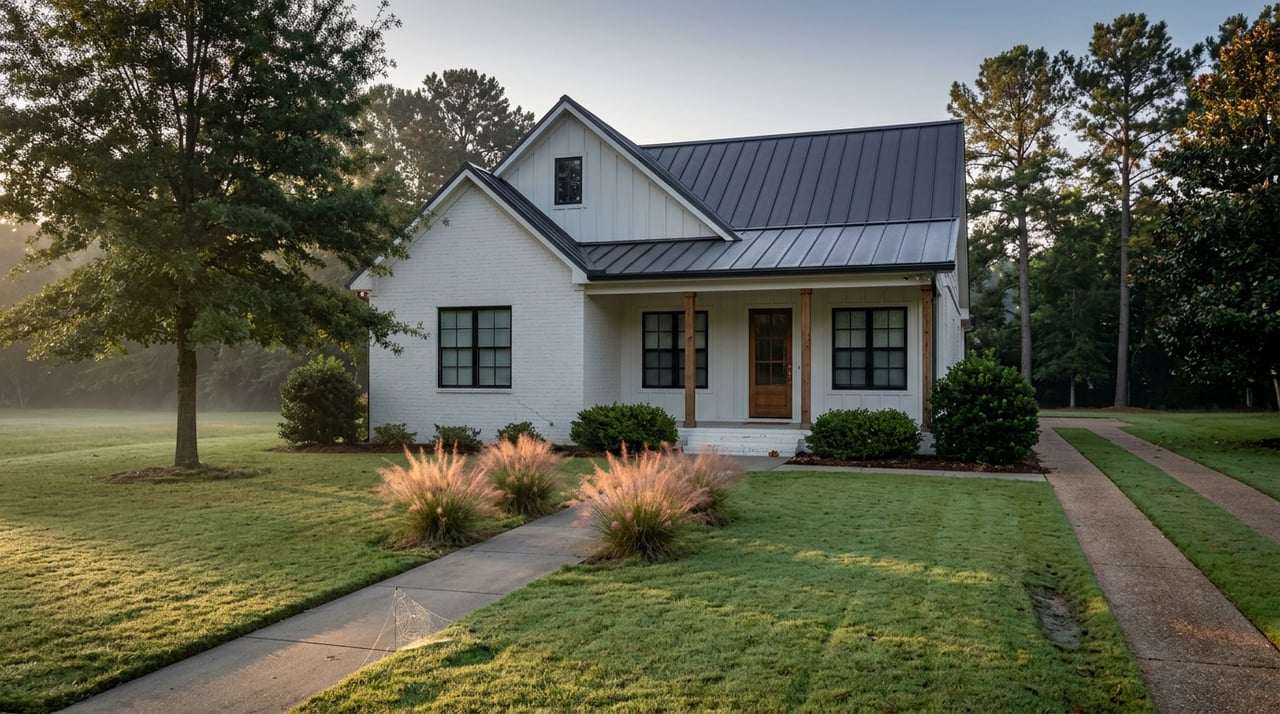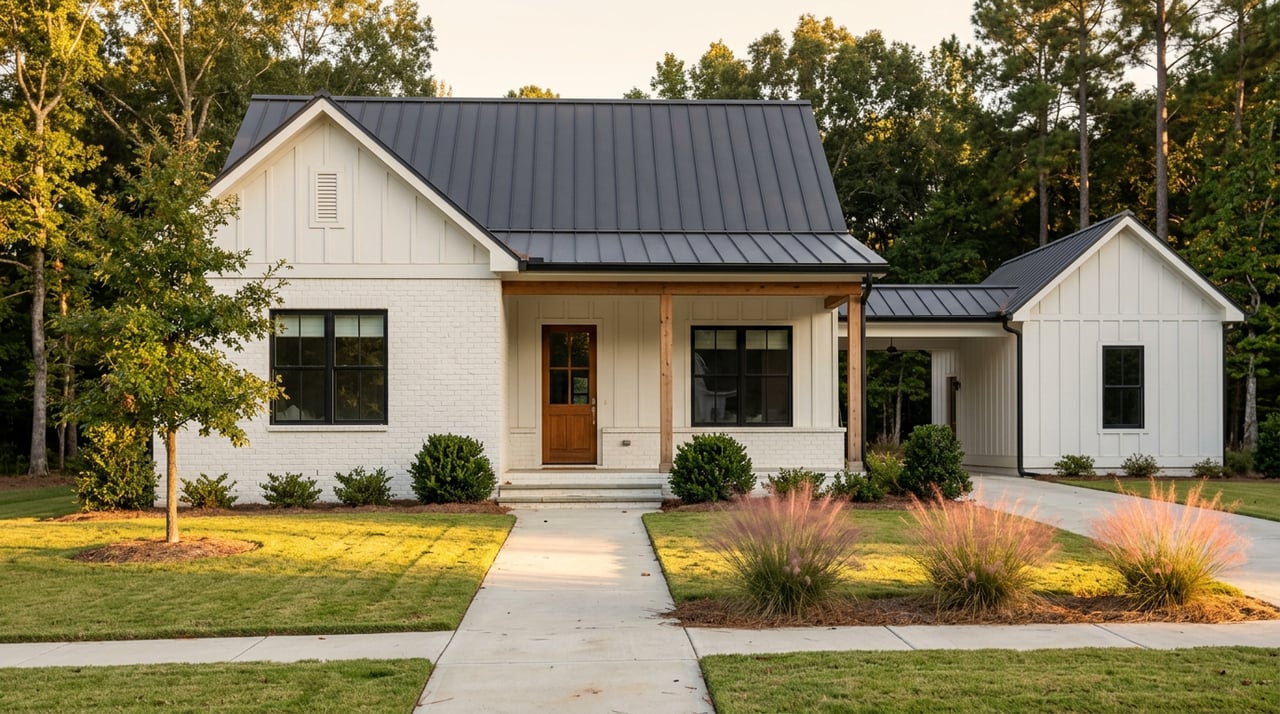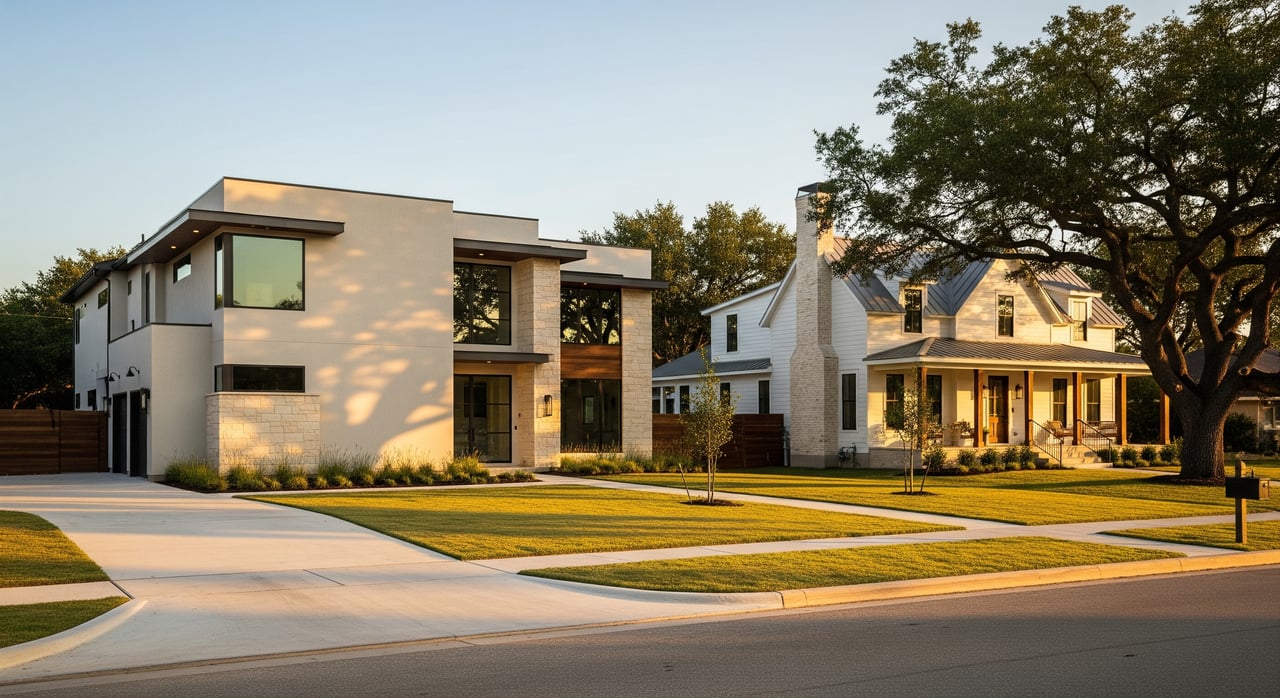
Torn between a brand-new home and a move-in-ready resale in Jacksonville? You are not alone. In Cherokee County, the best choice often comes down to your budget, timing, and how much customization you want. This guide breaks down costs, timelines, financing, inspections, and local due diligence so you can move forward with confidence. Let’s dive in.
New construction: what to expect
New builds often come with a premium for modern finishes, new systems, and the ability to choose layouts and materials. Builders sometimes offer incentives like rate buydowns or closing-cost help, which can lower your out-of-pocket costs. Compare the full picture, including lot premiums, site work, utility taps, and landscaping. Focus on all-in cost rather than list price alone.
Financing can be different for a new build. Some buyers use standard conventional, FHA, or VA once the home is completed, while custom projects may require a construction or construction-to-perm loan with draw schedules and extra inspections. For a plain-English overview, review the Consumer Financial Protection Bureau’s guidance at the Consumer Financial Protection Bureau. Ask lenders who know Cherokee County for timelines and appraisal requirements based on the finished home.
Expect a longer timeline. Even with production builders, weather, materials, and permitting can shift closing dates. Plan for interim inspections, a punchlist, and a final walkthrough before you take the keys. Get builder warranty terms in writing and know how to submit claims.
New homes typically deliver better energy performance and lower operating costs. Modern insulation, windows, and HVAC can reduce monthly bills and maintenance, especially in the first few years. If you are building early in a community, you may also get more say in finishes, fixtures, and the lot you want.
Resale homes: what to expect
Resale pricing is driven by recent comparable sales in the neighborhood. While the purchase price may be lower than new construction, plan for potential updates like roof, HVAC, flooring, or kitchen and bath improvements. Inspections help you estimate those near-term costs so you can compare apples to apples.
Financing for resale is often simpler. Most buyers use conventional, FHA, or VA loans with appraisals based on current condition. Typical closings take 30 to 45 days, depending on your loan type and the seller’s timeline.
Inspections are your protection. Order a general inspection and consider specialists for roof, HVAC, septic, or well if needed. You can negotiate repairs or credits once you understand the home’s true condition. For consumer guidance on contracts and protections in Texas, visit the Texas Real Estate Commission.
Key local factors in Jacksonville
Jacksonville and greater Cherokee County include both city-served neighborhoods and more rural tracts. Outside city limits, many properties rely on private wells and septic systems. Confirm utility availability, connection fees, and any septic permitting before you write an offer. If a lot sits lower or near creeks, check flood status using the FEMA Flood Map Service Center.
Insurance needs vary by property. Wind, hail, and flood coverage can change your monthly costs, so request quotes early from local carriers. The Texas Department of Insurance provides helpful consumer information on coverage options and rate considerations.
Property taxes and HOA fees matter. New builds are assessed when completed, which can change your tax bill in year two. Review exemptions and assessment basics through local appraisal guidance, and compare HOA dues and rules across communities. For broader market trends and county-level context, the Texas A&M Real Estate Center offers data and analysis on East Texas markets, including Cherokee County.
If you want a quick snapshot of population and housing characteristics as you compare neighborhoods, the U.S. Census Bureau’s QuickFacts is a useful starting point. For national consumer trends on new construction versus resale, you can also review research from the National Association of Realtors.
Cost comparison checklist
Use this checklist to compare total costs between a new build and a resale home:
- Purchase price, builder incentives, and seller credits
- Site work and utility fees, such as water, sewer, well, or septic
- Lot premiums, fencing, driveway, and initial landscaping
- Immediate repairs or upgrades, based on inspections
- Closing costs and prepaid items from your lender
- Property taxes and any HOA or special assessments
- Estimated insurance for wind, hail, and flood
- Expected energy and maintenance costs for the first 5 years
Tip: Create two side-by-side budgets so you can see the true difference in monthly and long-term costs.
Timeline and logistics
- New construction: Plan for months from lot selection and permitting to final inspection. Weather and material availability can affect completion dates. Build in time for pre-drywall and final inspections, plus a punchlist before closing.
- Resale: Plan for about 30 to 45 days after contract, depending on loan type, title work, and inspection negotiations. You can often move faster if the home is vacant and your financing is ready.
If you are comparing options right now, ask the City of Jacksonville about permit timelines and inspection schedules, and verify seasonal patterns that could affect a builder’s estimates. Those details help you set realistic expectations.
How to choose: quick decision guide
Choose new construction if you want modern systems, energy efficiency, and the chance to customize finishes. You will accept a longer build time and prioritize lower maintenance in the first few years. Budget for site costs and confirm what the builder includes.
Choose resale if you prefer established neighborhoods, mature landscaping, and a shorter path to move-in. You will plan for inspection-driven repairs or upgrades and balance those costs against a potentially lower purchase price. Focus on condition, comps, and your preferred location.
If both appeal to you, run the numbers with a lender and compare total costs over five years. That view often clarifies which path better fits your goals.
Your next steps in Jacksonville
- Verify utilities and site needs. Confirm water, sewer, or septic requirements and any connection fees before you make an offer.
- Check flood risk. Look up the property at the FEMA Flood Map Service Center and discuss insurance with a local agent.
- Clarify financing. Read the CFPB’s consumer guidance at the Consumer Financial Protection Bureau and speak with a lender who handles both resale and new construction in Cherokee County.
- Review contracts and warranties. For Texas-specific contract information and consumer protections, visit the Texas Real Estate Commission. Get builder warranties in writing and schedule independent inspections for new builds.
- Understand local trends. Explore county-level data at the Texas A&M Real Estate Center, then compare against current MLS market activity for Jacksonville.
When you are ready to compare real homes and real numbers in Jacksonville, work with a local advisor who knows East Texas neighborhoods and builders. If you would like tailored guidance on costs, timing, and neighborhoods that fit your lifestyle, connect with Brittany Sartain to get started.
FAQs
What costs make new construction more expensive in Jacksonville?
- Beyond list price, consider lot premiums, site work, utility taps, initial landscaping, and any upgrades not included by the builder, plus insurance and taxes.
How long does it take to buy a resale home in Cherokee County?
- Most resale purchases close in about 30 to 45 days after contract, depending on financing, inspections, title work, and the seller’s preferred timeline.
Do I still need inspections for a brand-new home?
- Yes. Independent inspections at pre-drywall and final stages help catch issues early and document conditions before your builder warranty begins.
How are new homes taxed compared with resales?
- New construction is assessed upon completion, which can change your tax bill after the first year; review local appraisal procedures and exemptions before closing.
Where can I check flood risk for a Jacksonville property?
- Search the address at the FEMA Flood Map Service Center and discuss required or optional flood insurance with a local agent.
What resources explain construction loans and financing options?
- The Consumer Financial Protection Bureau offers consumer guidance on construction loans and mortgage choices, which you can review before speaking with a lender.